This guide explains the best time for kenya safari, from dry-season game viewing and Mara migration months to quieter green-season value for families and photographers.
32 min read65viewsUpdated Oct 5, 2026
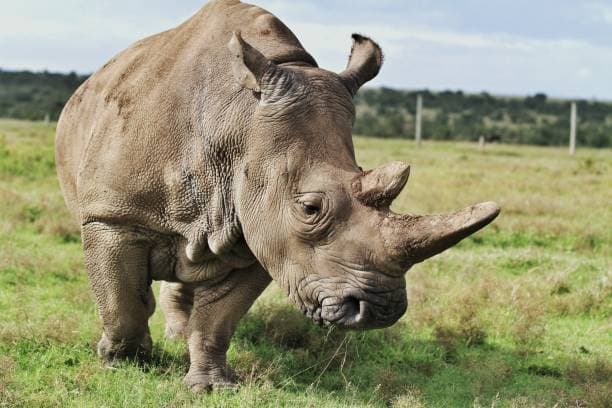
Black Rhinoceros
65views
Share
Listen~32 min
In this articleTap to view 14 sectionsTap a section to jump
June to October is the strongest overall window for a Kenya safari because wildlife is easier to find around water and grass is shorter.
July to September is the prime Masai Mara migration period, but it is also the busiest and most expensive time to travel.
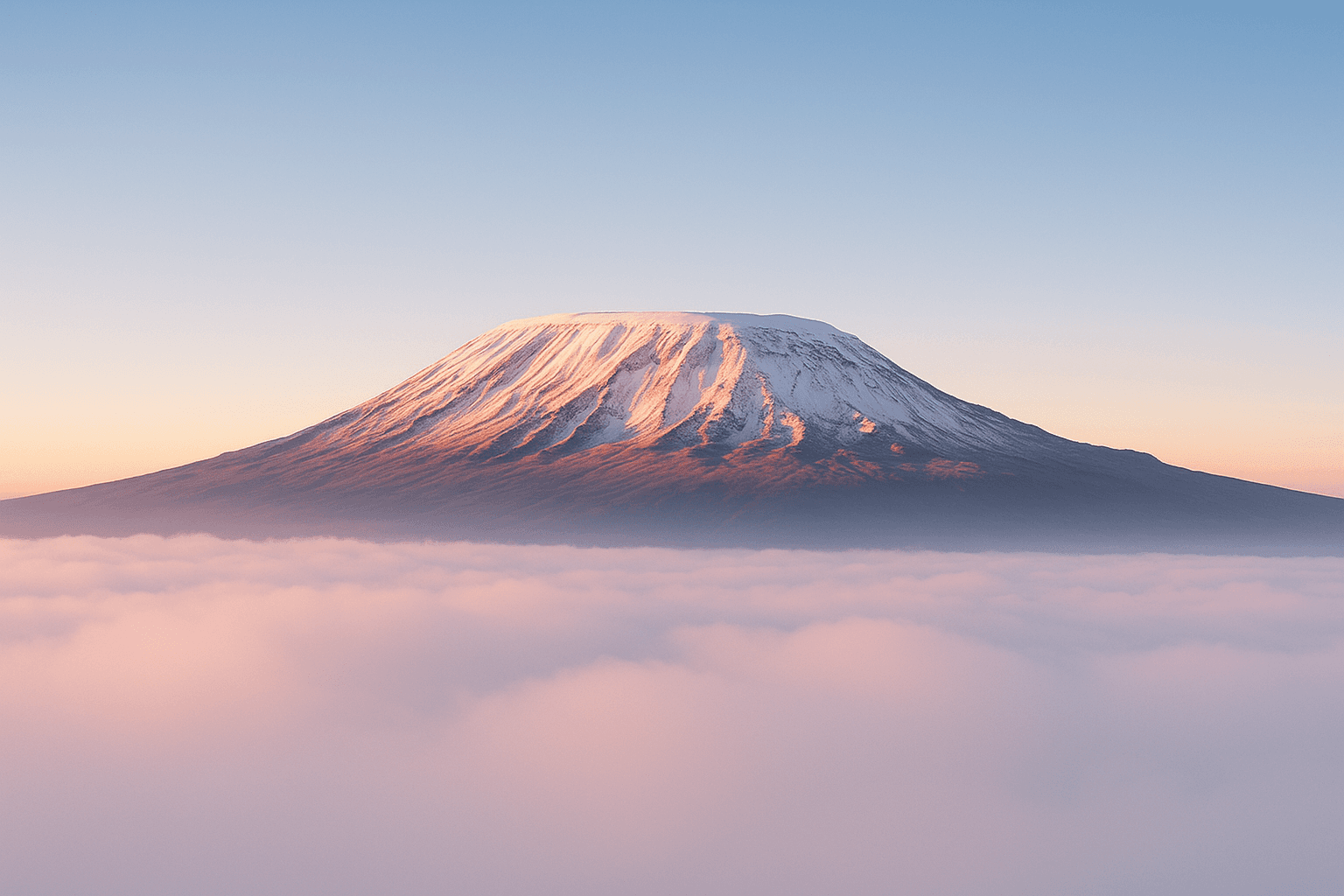
January and February offer warm, dry weather, reliable predator sightings and clearer views of Mount Kilimanjaro from Amboseli.
November, early December and May can deliver excellent value, greener photography and fewer vehicles, if the route is planned well.
April is usually the wettest safari month, best suited to flexible repeat travellers, birders and photographers rather than first-timers.
The best time for kenya safari is June to October, when dry weather thins vegetation and wildlife gathers around water. July to September is best for the Masai Mara migration, while January to February offers warm, clear conditions, strong predator sightings and fewer peak-season crowds across Amboseli, Samburu and Laikipia.
Quick answer: the best time for kenya safari months
June to October is the strongest all-round safari window in Kenya because the bush is drier, grasses are shorter, and animals move predictably towards rivers, marshes and permanent waterholes. In the Masai Mara National Reserve, Amboseli National Park, Samburu National Reserve and Laikipia conservancies, guides can often read fresh tracks more easily at this time.
January and February form Kenya’s second dry window. Days are warm, skies are often clear, and predator activity can be excellent around the open plains of the Mara, the Ewaso Nyiro river in Samburu and the marshes of Amboseli. This period suits travellers who want dependable Kenya safari weather without the peak migration crowds.
The best month to visit Kenya depends on the purpose of the trip. July to September suits migration-focused travellers; June and October suit visitors who want strong wildlife with slightly softer crowds; January to February works well for photographers, honeymooners and families avoiding the busiest school-holiday dates.
Best overall: June to October for dry-season wildlife viewing.
Best for the Masai Mara migration: July to September, with October still possible in many seasons.
Best alternative dry window: January to February.
Best value with good sightings: June, October, November and early December, depending on lodge offers.
Best for green scenery and birding: November to May, especially outside the wettest weeks of the long rains.
Kenya safari seasons at a glance
June mornings in the Mara often start cold enough for a fleece, while midday game drives bring pale grass, dusty tracks and clear lines of sight. Kenya has two main rainy periods: the long rains usually from March to May and the short rains usually from November to December. Between these wet periods, drier months shape the classic Kenya safari seasons.
Dry season vs green season vs shoulder season
How Kenya safari conditions change through the year
Dry season
Classic choice
Typical months
June–October, plus January–February
Wildlife visibility
Highest around rivers, pans and waterholes
Crowds and rates
Highest in July–September and around festive dates
Photography feel
Gold grass, dust, clear mornings and classic savannah light
Best-fit travellers
First-timers, migration seekers and families tied to school holidays
Green season
Best value
Typical months
November–May, especially November and May
Wildlife visibility
Good, but grass can be taller; birding is excellent
Crowds and rates
Lowest in April–May; some camps may close seasonally
Photography feel
Emerald plains, dramatic skies and newborn antelope after rains
Best-fit travellers
Photographers, birders and repeat safari travellers
Shoulder season
Balanced
Typical months
June, early November and late May
Wildlife visibility
Strong sightings with more space at key sightings
Crowds and rates
Better availability than peak months
Photography feel
Mixed light, fresh grass and fewer vehicles
Best-fit travellers
Value-conscious couples and flexible travellers
Compare
Classic choice
Dry season
Best value
Green season
Balanced
Shoulder season
Typical months
June–October, plus January–February
November–May, especially November and May
June, early November and late May
Wildlife visibility
Highest around rivers, pans and waterholes
Good, but grass can be taller; birding is excellent
Strong sightings with more space at key sightings
Crowds and rates
Highest in July–September and around festive dates
Lowest in April–May; some camps may close seasonally
Better availability than peak months
Photography feel
Gold grass, dust, clear mornings and classic savannah light
Emerald plains, dramatic skies and newborn antelope after rains
Mixed light, fresh grass and fewer vehicles
Best-fit travellers
First-timers, migration seekers and families tied to school holidays
Photographers, birders and repeat safari travellers
Value-conscious couples and flexible travellers
Exact conditions vary by region: Samburu, Amboseli, the Mara and the coast do not receive rain in identical patterns.
At a glance
Kenya safari season quick facts
Best overall window
June to October
Best migration months
July to September in the Masai Mara; October can still be strong
Best value months
May, June and November, outside school-holiday and festive peaks
Greenest landscapes
April to May after the long rains
Best birding
November to April, when many Palearctic migrants are present
Season
Typical months
Safari conditions
Best suited to
Long dry season
June to October
Thinner vegetation, fewer surface pools, more predictable animal movement around water; colder early mornings and dust on busy tracks.
First-timers, families, big-cat seekers and migration travellers.
Short dry season
January to February
Warm days, clear skies, good visibility, productive predator sightings and lighter crowds than peak migration months.
Photographers, honeymooners and travellers wanting strong wildlife without July to September rates.
Short rains
November to December
Short afternoon showers, fresh grass, returning migrant birds and fewer vehicles, with many roads still passable.
Repeat safari travellers, birders and value-conscious guests.
Long rains
March to May
Heavier showers, lush scenery, muddy black-cotton-soil tracks in some areas and occasional lodge closures.
Experienced travellers, photographers seeking dramatic skies and guests comfortable with flexible plans.
Shoulder months
June, October, early December
Wildlife remains strong, but crowd levels and pricing can soften compared with peak weeks.
Couples, families and travellers balancing cost, comfort and sightings.
First-time safari travellers should usually choose June to October or January to February. Families tend to do well in June, August, October and December school holidays, provided lodges with swimming pools and shorter transfer times are selected. Photographers often favour February for heat-haze-free mornings and October for dusty golden light, while repeat guests may enjoy the green season’s birds, flowers and quieter conservancies.
Month-by-month Kenya safari calendar
January in Amboseli can bring clear views towards 5,895 m Mount Kilimanjaro before clouds build over the mountain, while the park’s elephants move between fever-tree woodland and permanent marshes. The best month to visit Kenya changes by region, so a monthly view helps match wildlife, weather and logistics.
Month
Typical conditions
Best for
Planning note
January
Warm, mostly dry spell after the short rains
Amboseli elephants, Samburu, Mara big cats and clearer Kilimanjaro views
A strong choice for families and honeymooners after festive crowds ease
February
Hot, dry and generally reliable for game drives
Predator sightings, open-country photography and northern Kenya routes
Book popular conservancy camps early if travelling around half-term dates
March
Transition into the long rains, with increasing showers
Birding, green landscapes and quieter lodges
Keep routes flexible and avoid overloading the itinerary with long road days
April
Usually the wettest safari month
Low crowds, dramatic skies, birding and lush photography
Best for flexible repeat travellers; some camps and roads may be affected
May
Rains begin to ease, with fresh grass and lower visitor numbers
Value, photography and parks reopening after wetter weeks
A well-planned fly-in or shorter road route can work very well
June
Cooler, drying conditions and improving visibility
Shoulder-season value, elephants and resident predators
One of the best months for avoiding peak crowds while keeping strong sightings
July
Dry, cool mornings and rising peak-season demand
Masai Mara migration arrivals, big cats and classic dry-season game
Secure Mara camps, flights and private guides well ahead
August
Dry and busy, with excellent visibility
Mara River crossings, predator activity and family school-holiday safaris
Private conservancies help reduce crowding around major sightings
September
Dry, settled and one of the most reliable wildlife months
Migration herds, predators and waterhole activity
Often the strongest single month, but also among the most expensive
October
Dry-season tail end, with possible early short-rain showers
Elephants, big cats and quieter post-peak Mara travel
Excellent if travellers want strong wildlife with slightly softer demand
November
Short rains usually bring brief showers and fresh grass
Migrant birds, newborn antelope and green-season value
Showers are often manageable, but routes should be chosen with care
December
Warm, increasingly green and busy around festive dates
Families, photographers and combined safari-and-beach holidays
Book early for Christmas and New Year; early December is usually quieter
Month-by-month guide to Kenya safari timing
Month
Weather and wildlife
Best places and planning notes
January
Warm, mostly dry and clear, with productive predator sightings. Plains game is spread across open grassland, and visibility is usually good.
Excellent for Amboseli, Samburu, Ol Pejeta Conservancy, Lewa Wildlife Conservancy and the Mara. A strong month for a Kenya dry season safari without migration crowds.
February
Hotter days, crisp mornings in highland areas and good light for photography. Big cats often hunt early before temperatures rise.
One of the best months for photographers in the Mara and Laikipia. Book popular small camps early, especially over half-term dates.
March
Rain can begin late in the month, though timing varies. Grass freshens and birdlife improves.
Early March can still be rewarding. Later March needs flexible routing, especially on road safaris using black-cotton-soil tracks.
April
Usually one of the wettest months. Some camps close, tracks can become difficult, and afternoon plans may change.
Good value for experienced safari travellers. Fly-in safaris and conservancy-based stays reduce road risk, but lodge availability needs checking.
May
Rain often eases later in the month. Landscapes are green, rivers run fuller, and skies can be dramatic.
A quiet month in the Mara, Lake Nakuru National Park and Laikipia. Road conditions improve towards June, but some camps reopen gradually.
June
The dry season begins. Grass starts to shorten, water becomes more important, and wildlife viewing improves week by week.
Excellent shoulder month for the Mara, Amboseli and Samburu. Good value compared with July to September, especially for families travelling before peak dates.
July
Cool mornings, dry days and rising wildlife concentrations. The first large migration herds may arrive in the Mara, depending on rainfall.
Strong for the Masai Mara migration, Amboseli elephants and Samburu’s dry-country species. Lodges and flights should be booked far ahead.
August
Peak dry-season conditions with excellent visibility and high demand. Mara River crossing activity can be intense when herds build along the banks.
Best for the Mara, but also busiest. Private conservancies help manage vehicle numbers and improve night-drive and walking options where permitted.
September
Dry, dusty and wildlife-rich. Predators benefit from large herds in the Mara, while elephants concentrate around Amboseli’s wetlands.
One of the strongest all-round safari months in Kenya. Premium camps sell out early, particularly in the Mara and Laikipia.
October
Still productive, often hot, with the first showers possible late in the month. The migration may remain in the Mara before herds move south.
Good for travellers wanting strong sightings with fewer vehicles than August. Also a fine month for Tsavo East National Park and beach extensions.
November
The short rains usually bring brief showers rather than all-day rain. Fresh shoots draw grazers into open areas, and migrant birds return.
Good value in the Mara, Samburu and Laikipia. Some tracks can be slippery after storms, so good guiding and sensible vehicle choice matter.
December
Green, warm and increasingly busy around festive dates. Rain is usually less disruptive than April, though local storms can be heavy.
Early December is a strong value window. Festive departures need early booking in the Mara, Amboseli, Diani Beach and family-friendly lodges.
The Great Migration in the Masai Mara
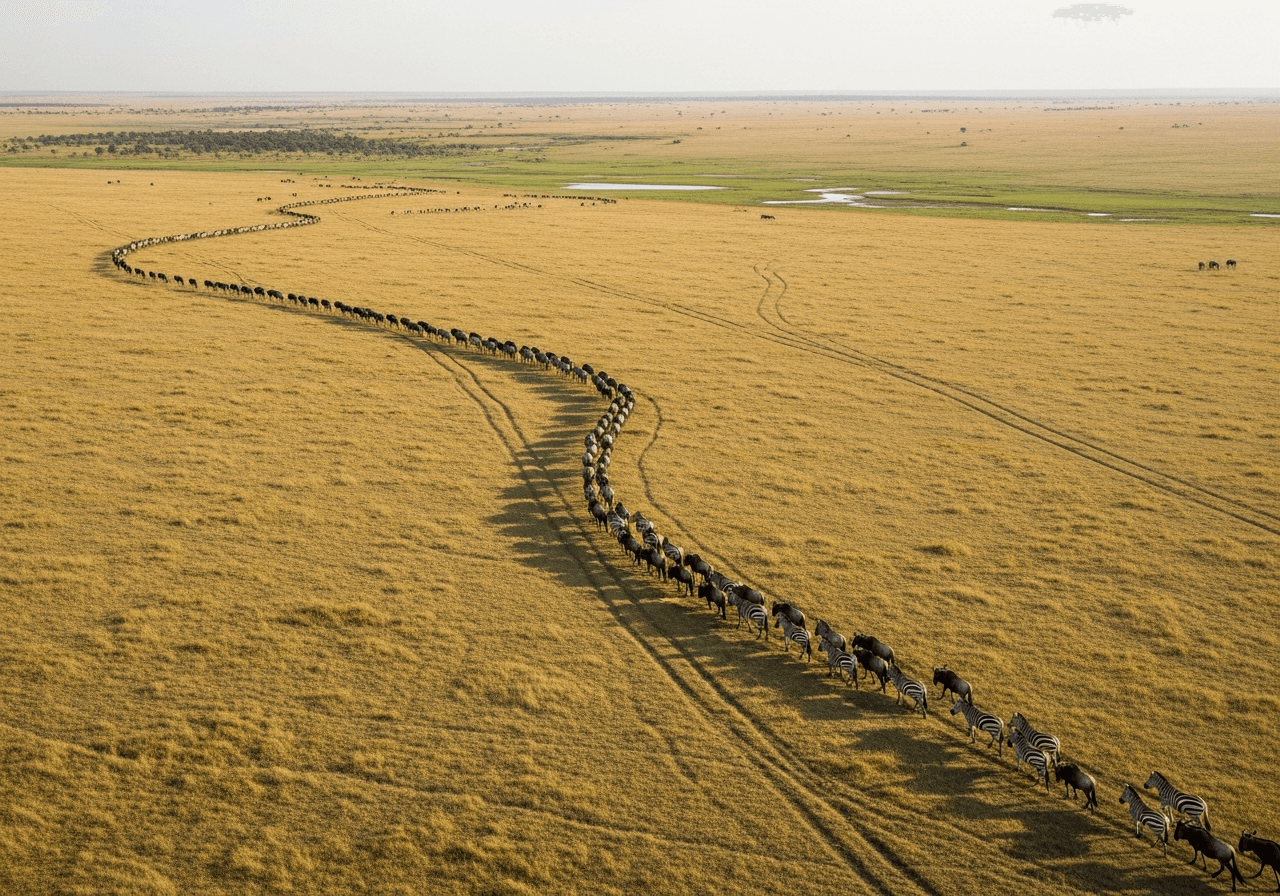
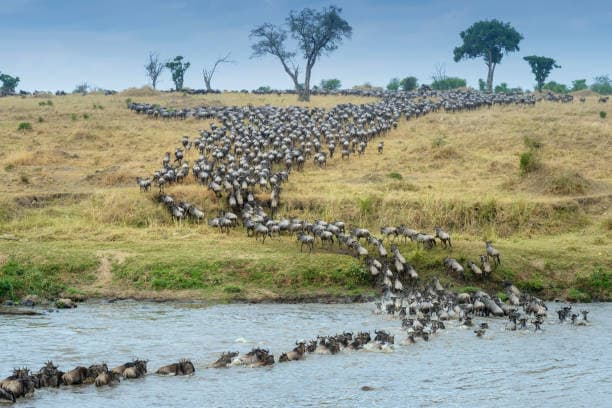
July on the Mara River can mean thousands of wildebeest milling on a dusty bank, hesitating for hours before one animal commits and the herd surges behind it. The Serengeti–Mara migration involves more than 1.5 million wildebeest plus hundreds of thousands of zebra and gazelles, but its exact timing changes with rainfall and grazing.
Great Migration Calendar
Where to find the herds, month by month
Live
The Great Migration is a continuous, year-round clockwise loop of over 1.5 million wildebeest and hundreds of thousands of zebra, driven by rainfall and fresh grazing across the Serengeti–Mara ecosystem. Use the live calendar below to see where the herds are right now — and plan your trip around calving or the famous river crossings.
1.5M+
Wildebeest on the move
300K+
Zebra & gazelle
~8,000
Calves born / day (Jan–Feb)
1,800 km
Annual circular route
JanuaryCalving
Calving season begins on the southern Serengeti's short-grass plains around Ndutu. Roughly 8,000 wildebeest are born each day, drawing lion, cheetah and hyena.
Southern Serengeti
Southern SerengetiLate Jan–Mar (+ Dec)
Western CorridorMay–Jul
Northern SerengetiJul–Oct
Masai MaraAug–Oct
Region
Southern Serengeti
Western Corridor
Northern Serengeti
Masai Mara
Peak season Herds present Not present
Southern Serengeti
Late Jan–Mar (+ Dec)
Ndutu & southern plains
The short-grass plains around Ndutu host the calving season — the densest concentration of newborns and predators in the entire cycle. Around 8,000 calves are born each day at the peak, drawing lion, cheetah and hyena onto the open plains.
Western Corridor
May–Jul
Grumeti River
The herds push through the western corridor, where the Grumeti River and its giant crocodiles provide the season's first dramatic crossings, alongside the wildebeest rut. Exclusive reserves mean far fewer vehicles.
Northern Serengeti
Jul–Oct
Kogatende & Mara River (TZ)
The Mara River runs through the northern Serengeti, making it the prime crossing zone from July to October — often with fewer vehicles than the Kenyan side, plus big resident lion prides.
Masai Mara
Aug–Oct
Masai Mara, Kenya
The northern stage of the loop. From August to October the herds spill across the Mara River into Kenya for heart-stopping crossings, with superb resident big cats and balloon safaris all year.
Climate change has shifted migration timing in recent years; the herds follow the rains, so actual movement may vary by a few weeks each year.
KE
Featured
Kenya
Masai Mara National Reserve
The Masai Mara National Reserve in southwestern Kenya is a premier 1,510-square-kilometre wildlife sanctuary. Renowned for the annual Great Wildebeest Migration from July to October, it offers exceptional year-round Big Five viewing across open savannahs. The reserve is contiguous with Tanzania's Serengeti, forming a critical, biodiverse transboundary ecosystem.
The usual Masai Mara migration window runs from July to October. In some seasons, early herds enter from the Serengeti in late June; in others, the best concentrations arrive in mid-July or August. The Masai Mara National Reserve covers about 1,510 km² in south-west Kenya, and its private conservancies to the north and east can add quieter access to resident wildlife while the reserve hosts the main river-crossing drama.
Mara River crossings are the most sought-after migration event, but they are never guaranteed on a specific day. Wind, rain, crocodile pressure, vehicle noise and the confidence of the lead animals all affect movement. A good guide reads herd direction, keeps distance from crossing points and resists the urge to chase.
“
““In the Mara, patience beats mileage: the best crossing vehicles are often the ones that stopped early, switched off the engine and let the herd make its own decision.””
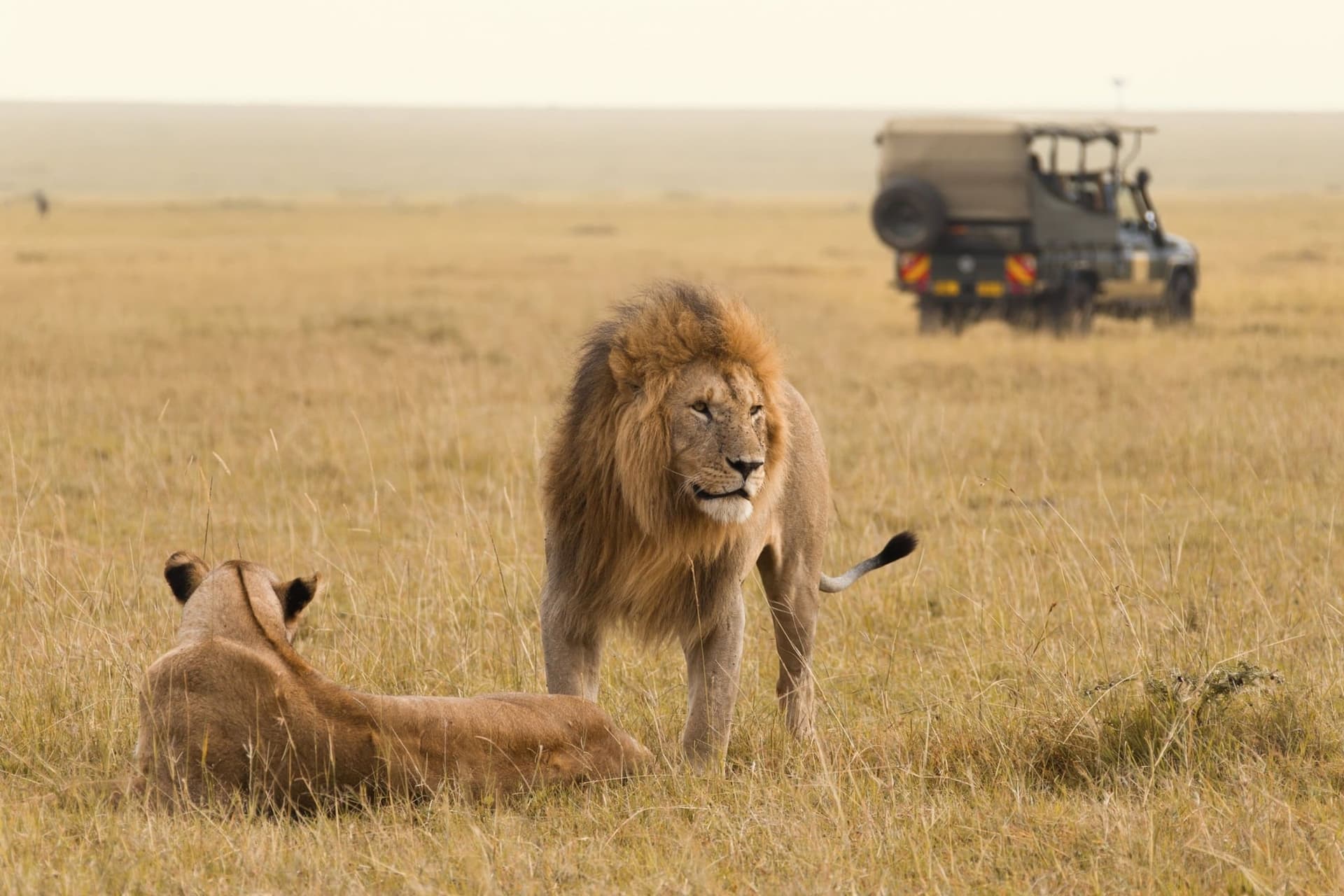
Predator activity rises during the migration because lion, cheetah, leopard and spotted hyena exploit the abundance of young, tired or injured animals. For travellers planning specifically around the Masai Mara migration, Imara recommends at least three nights in or near the reserve, with a private conservancy added for quieter sightings, night drives and a broader safari rhythm. For deeper timing detail, see the Masai Mara migration guide.
Dry-season safari: June to October
September in Samburu often brings elephants digging in the sandy Ewaso Nyiro riverbed while gerenuk browse upright on thorn bushes nearby. This is the core Kenya dry season safari period, and it rewards travellers with clear visibility, predictable animal movement and long, productive game drives.
Dry-season safari: what travellers gain and give up
Pros
Wildlife is easier to spot as grass is shorter and animals gather near water.
The Masai Mara migration usually reaches Kenya during this broader period.
Roads are generally more reliable than during the long rains.
Cooler mornings and lower mosquito levels can make travel more comfortable.
Cons
July to September brings the highest lodge demand and peak pricing.
Popular sightings in the main reserve can attract several vehicles.
Dust can be heavy on road transfers and open game-drive tracks.
Early morning drives can feel cold, especially in open vehicles.
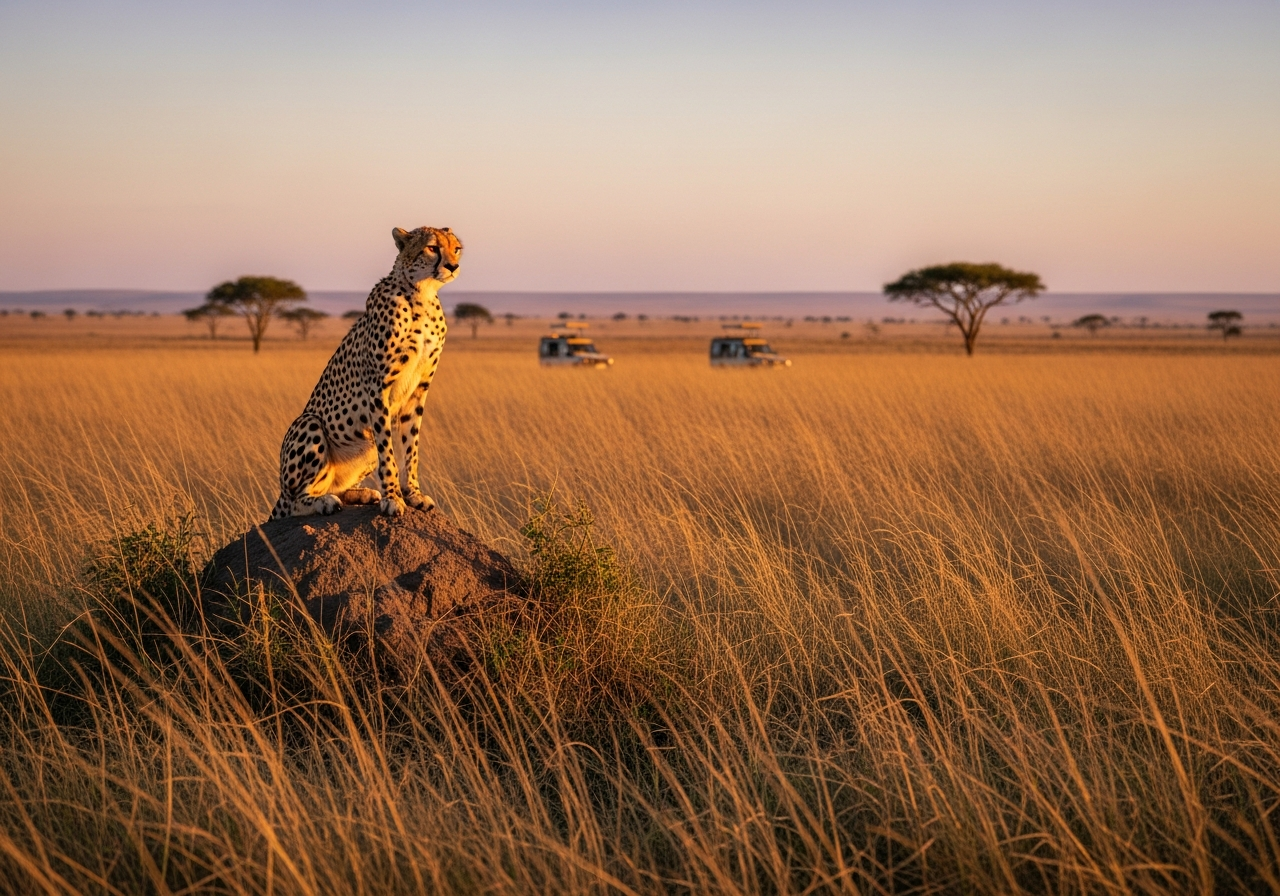
Short grass makes lion easier to spot on termite mounds and leopard easier to find in riverine trees. Buffalo herds visit remaining water more regularly, while plains game shifts towards dependable grazing and drinking points. In Amboseli, elephants gather around permanent marshes, creating some of Kenya’s best low-angle photography, especially with Mount Kilimanjaro clear at dawn.
June is the gentlest dry-season month. The bush still carries some green from the rains, visitor numbers are lower than in August, and rates can be better. July to September are peak migration months in the Mara, with premium pricing and high demand. October is hotter and dustier, but sightings remain excellent before the short rains settle the landscape.
June: Best for value, fresh post-rain scenery and improving wildlife concentrations.
July to September: Best for the Masai Mara migration, predator action and reliable dry-season game viewing.
October: Best for experienced travellers who like strong sightings, warm weather and slightly lower pressure than August.
Dry-season comfort needs planning. Early morning drives can be cold in the Mara and Laikipia, dust affects camera gear and contact lenses, and popular sightings can draw several vehicles in public reserves. Private conservancies around the Mara, Lewa and Ol Pejeta help reduce crowding through limited bed numbers, off-road protocols and controlled guiding areas.
Green-season safari: November to May
November showers in the Mara can turn red oat grass bright green within days, and lilac-breasted rollers, bee-eaters and migrant raptors become more noticeable along the tracks. A Kenya green season safari is not one single experience: the short rains and long rains behave differently.
The short rains, usually from November to December, often fall as sharp afternoon or evening storms. Mornings can still be clear, and the fresh growth attracts grazers back into open areas. This period offers better value than peak dry months while still giving reliable game viewing in many destinations.
The long rains, usually from March to May, bring heavier and more sustained rain. April can be especially wet, and some smaller camps close for maintenance. Black-cotton-soil tracks in parts of the Mara and Laikipia can become sticky, making experienced guiding and realistic routing important.
Green-season advantages are real. Birding improves, newborn antelope draw predators, skies carry more texture, and landscapes look rich rather than dusty. Photographers often like February, March and November for colour, cloud and fewer vehicles. Lake Nakuru National Park, Lake Naivasha, Ol Pejeta Conservancy and Lewa Wildlife Conservancy can be rewarding in green months because access is often easier than in remote seasonal areas.
The wetter months suit travellers who can accept flexibility. A fly-in plan, a longer stay at fewer camps and lodges with all-weather access can make March to May work well. Road-heavy itineraries, tight one-night stops and remote tracks need extra care during heavy rain.
Best time by destination: Mara, Amboseli, Samburu and more
Amboseli National Park covers 392 km², with views towards 5,895 m Mount Kilimanjaro across the border in Tanzania, and its best timing differs from the Mara because permanent swamps hold elephants even when surrounding plains dry out. Kenya safari seasons shift from park to park, shaped by altitude, water and soil.
Masai Mara
Best from July to October for migration drama, and also strong year-round for resident lion, leopard, cheetah and plains game.
Amboseli
Excellent in January–February and June–October, when elephants move across open plains and Kilimanjaro views are often clearer.
Samburu
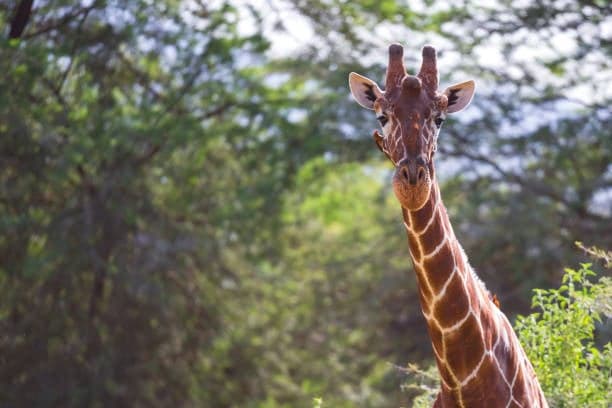
A rewarding dry-country option in June–October and January–February, with reticulated giraffe, Grevy’s zebra and gerenuk.
Ol Pejeta and Lewa
Reliable year-round for rhino-focused safaris, with drier months making tracking and photography easier.
Lake Nakuru and Lake Naivasha
Good year-round as part of a road circuit, with birding strongest in the wetter and migrant-bird months.
Tsavo East and Tsavo West
Best in the dry months when wildlife concentrates near water and the vast landscapes are easier to read.
Camp Top
KE
Satao Elerai Camp
Eco-Luxury Living on a Private Conservancy Under the Shadow of Kilimanjaro
Amboseli National Park
Eco-Friendly
Lounge & Viewing Deck AreasWi‑Fi in Public AreasOutdoor Swimming Pool+1
Migration herds usually arrive in the dry season, while resident lion, cheetah and leopard remain strong year-round. The Masai Mara reserve is also excellent outside migration when crowds are lower.
Amboseli National Park
June to October; January to February
Elephants concentrate around marshes, and Kilimanjaro views are often best in clear early mornings. See route ideas for Amboseli safaris if elephants are a priority.
Samburu National Reserve
June to October; January to March
Dry conditions pull wildlife to the Ewaso Nyiro river. Reticulated giraffe, Grevy’s zebra, Somali ostrich and gerenuk are major draws.
Tsavo East and Tsavo West
June to October; January to February
Tsavo East and Tsavo West National Parks together cover about 22,812 km², so wildlife can be spread out. Dry months improve sightings around water and suit safari-and-coast routes.
Ol Pejeta Conservancy
Year-round; strongest June to October and January to February
Rhino viewing is reliable, predator sightings are good, and all-weather access is stronger than in many remote areas.
Lewa Wildlife Conservancy
June to October; January to February
Excellent rhino conservation area with controlled visitor numbers, strong guiding and open highland scenery.
Lake Nakuru National Park
June to March
Good for rhino, Rothschild’s giraffe and woodland birding. Flamingo numbers vary with lake levels and food availability.
Lake Naivasha
Year-round; best in dry and shoulder months
Boat trips, hippo viewing and Crescent Island walks pair well with Nakuru, the Mara and Amboseli on road circuits.
Private conservancies are worth prioritising in July to September and festive periods, especially around the Mara and Laikipia. Fewer vehicles, night-drive access where allowed, guided walks and strict bed limits create a calmer safari than the busiest public-reserve tracks.
Best time by wildlife interest
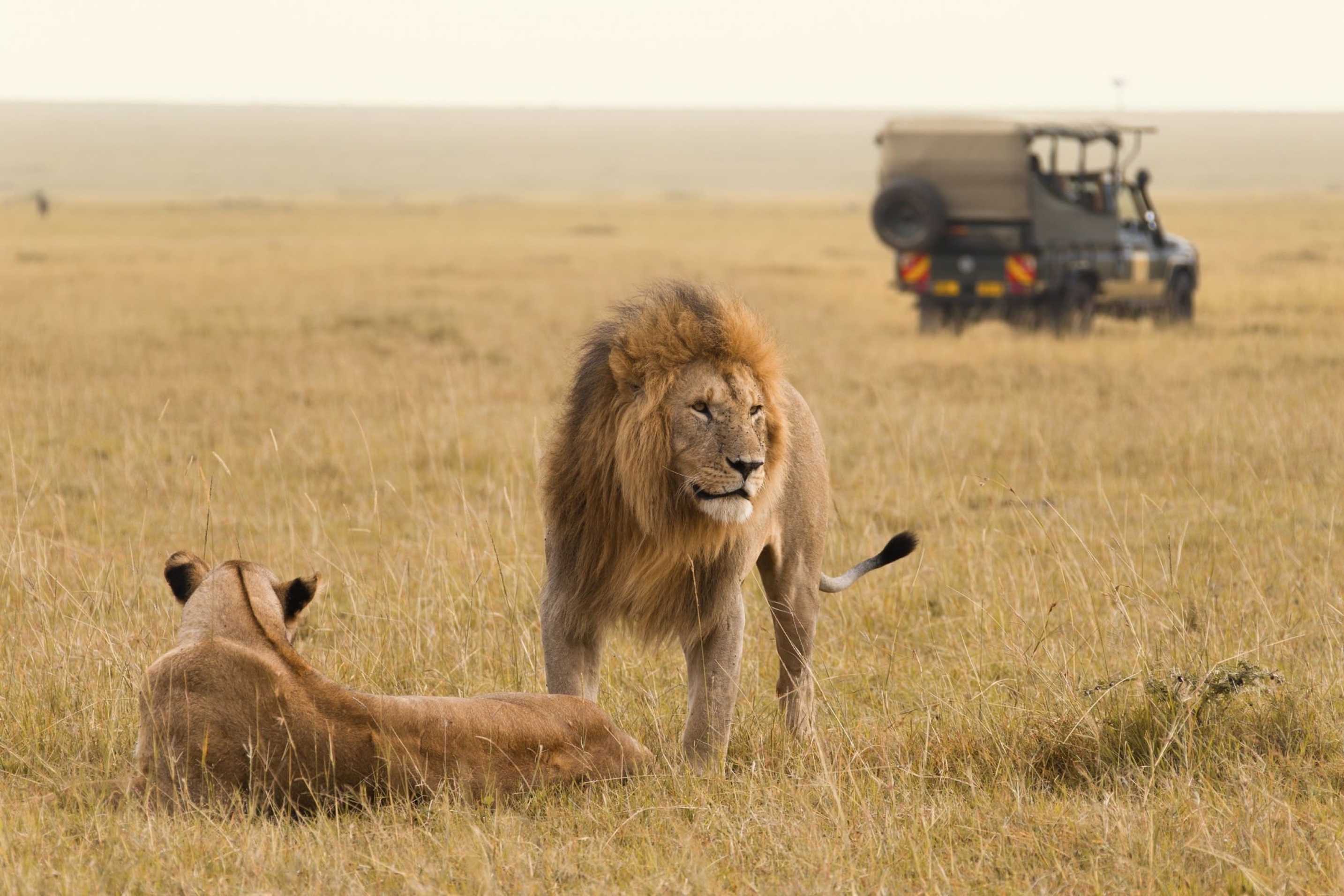
February cheetah hunts on the open Mara plains can be easier to follow than in tall green grass, while August lion prides often shadow migration herds near the Talek and Mara River systems. The best time for kenya safari planning should start with the animals a traveller most wants to see.
Wildlife goal
Best timing
Strong destinations
Why it works
Big cats
Year-round; easiest in June–October and January–February
Masai Mara, Mara conservancies, Laikipia
Shorter grass and active prey movement make lion, cheetah and leopard easier to locate.
Elephants
June–October and January–February
Amboseli, Samburu, Tsavo, Laikipia
Dry conditions concentrate herds near swamps, rivers and permanent water.
Rhino
Year-round
Ol Pejeta, Lewa, Lake Nakuru
Fenced or intensively protected conservancies and parks offer more reliable rhino viewing.
Birding
November–April
Lake Nakuru, Lake Naivasha, Samburu, Mara wetlands
Migrant birds arrive and many resident species show breeding plumage after rains.
Flamingos
Variable; often better when Rift Valley lake water and algae conditions suit feeding
Lake Nakuru and other Rift Valley lakes
Flamingo numbers shift naturally with lake levels, salinity and food availability.
Great Migration
Usually July–October in Kenya
Masai Mara National Reserve and neighbouring conservancies
Wildebeest and zebra follow rainfall and grazing from the Serengeti into the Mara ecosystem.
Best Kenya safari timing by wildlife interest
Wildlife interest
Best months
Where to focus
Big cats
January to February; June to October
Masai Mara, Mara conservancies, Samburu and Laikipia. Cats are present year-round but easier to photograph when grass is shorter.
Elephants
June to October; January to February
Amboseli for large herds and Kilimanjaro backdrops; Samburu and Tsavo for wilder dry-country settings.
Rhino
Year-round; best visibility in dry months
Ol Pejeta, Lewa and Lake Nakuru. Kenya Wildlife Service rangers and conservancy teams play a central role in rhino protection.
Great Migration
July to October
Masai Mara National Reserve and neighbouring conservancies, with river-crossing focus along the Mara River.
Birding
November to April
Lake Nakuru, Lake Naivasha, Samburu, the Mara and coastal forests. Migrant species add variety during the green season.
Flamingos
Variable
Lake Nakuru and other Rift Valley lakes. Numbers change with water levels, alkalinity and food availability, so current local reports matter.
Elephants, lions, giraffes, buffalo and many antelope are reliable in Kenya throughout the year. Season changes how easily guides find them and how cleanly photographers can frame them. Dry months give open sightlines and dust-lit scenes; green months give colour, reflections and more dramatic cloud.
Weather, roads and comfort on safari
A 6.00 am drive in the Mara can feel cold enough for gloves in July, then warm enough for short sleeves by late morning. Kenya safari weather depends on altitude as much as season: the Mara and Laikipia sit higher than the coast, while Samburu and Tsavo are hotter and drier.
Current weather for Kenya safari planning
Live
Dry-season roads are usually faster but dustier. Cameras need lens cloths and sealed bags, and travellers with allergies may prefer a private vehicle rather than an open-sided shared arrangement on busy routes. During the rains, some tracks become slippery or rutted, particularly where black-cotton soil holds water.
Nairobi to the Masai Mara is roughly 270 km by road and commonly takes 5–6 hours depending on the gate and road conditions. Road safaris work well in dry and shoulder months, especially for routes linking Lake Naivasha, Lake Nakuru, the Mara and Amboseli. During wetter periods, a fly-in safari can save time and reduce the risk of road delays.
Families: choose two- or three-night stays rather than changing lodges daily; add pools, flexible meal times and shorter drives.
Older travellers: consider fly-in sectors to avoid long corrugated roads; request rooms close to main areas where possible.
Photographers: pack dust protection in dry months and rain covers in green months; private vehicles are worth the supplement.
First-time visitors: avoid overloading the itinerary; Kenya’s distances feel longer after early starts and late afternoon drives.
Kenya safari costs, crowds and availability
August in the Masai Mara can sell out months ahead, especially small migration camps near key river systems and high-demand private conservancies. July to September and festive dates command premium rates because wildlife viewing is strong, school holidays increase demand, and bed numbers in the best locations are limited.
1
Choose the wildlife priority first
If the migration is essential, plan around July to September. If elephants, rhino, birds or big cats matter more, the best-value months may be different.
2
Decide how much crowding is acceptable
Peak sightings in the main Masai Mara reserve can be busy. Private conservancies and shoulder months create a quieter safari feel.
3
Match lodge style to season
Canvas camps, river locations and remote properties can be wonderful, but wetter months require careful choices around access and comfort.
4
Use flights strategically
Fly-in safaris save time year-round and are especially useful when rain or long road transfers would reduce quality time in the parks.
5
Hold peak dates early
For July to September and festive travel, secure preferred camps and internal flights well ahead to avoid forced compromises.
Indicative private safari costs vary widely. A quality mid-range road safari may start from about $450–$700 pp per day in shoulder periods, while luxury fly-in safaris and private conservancy camps often range from $900–$1,800 pp per night. Ultra-luxury camps, exclusive-use vehicles and peak migration dates increase the budget further.
June, October, November and early December can improve value without sacrificing wildlife quality. January and February also offer excellent sightings, though premium camps still price strongly. April and May can carry the lowest rates, but savings must be weighed against rain, camp closures and road risk.
Private conservancies cost more than many public-reserve stays, yet they often deliver better value for travellers who care about sighting quality. Lower vehicle density, experienced guides, off-road access in designated areas and night drives can mean more time observing behaviour rather than queuing at a busy sighting.
Road safari or fly-in safari by season
The Nairobi–Naivasha–Nakuru–Mara road circuit is one of Kenya’s most practical safari routes, with lakes, escarpment views and varied habitats before the plains open near the Mara. Road travel is scenic in dry months and cost-effective for families or private groups sharing a vehicle.
Key Kenya safari regions mentioned in this guide
Nairobi
Masai Mara National Reserve
Amboseli National Park
Lake Naivasha
Lake Nakuru National Park
Samburu National Reserve
Diani Beach
Fly-in safaris work best for travellers with limited time, older guests avoiding long drives, honeymooners seeking a smoother pace and anyone travelling during wet months to remote camps. Scheduled light aircraft connect Nairobi’s Wilson Airport with airstrips in the Mara, Amboseli, Samburu, Lewa and the wider Laikipia region.
Safari style
Best season
Best for
Planning note
Road safari
June to October; January to February; early December
Families, value-focused travellers and classic Kenya circuits.
Allows stops at Lake Naivasha and Lake Nakuru, but long transfer days need realistic pacing.
Fly-in safari
Year-round; especially useful March to May and peak migration months
Time-limited travellers, luxury trips, older guests and photographers with heavy equipment.
Reduces fatigue and maximises time in camp, though luggage limits apply on light aircraft.
Combination safari
Most months
Travellers wanting lakes and highlands by road, then Mara or Laikipia by air.
Often the best balance of scenery, comfort and wildlife time.
A classic option for travellers with limited time is a six-day Kenya safari linking the Mara, Lake Nakuru, Lake Naivasha and Amboseli. In peak or wet months, adding one flight sector can reduce fatigue and protect game-viewing time.
Beach add-ons after a Kenya safari
October on Diani Beach often pairs well with dry-season wildlife in the Mara and Amboseli: warm sea, bright mornings and a softer crowd pattern before festive travel begins. Diani Beach, Mombasa and Zanzibar all work as post-safari extensions, but coastal weather follows a slightly different rhythm from inland parks.
Diani Beach
Best for a Kenya-only safari-and-beach trip. January to March and July to October are generally the most reliable beach periods, with April and May usually wetter.
Mombasa and the North Coast
Works well for shorter beach add-ons with easy access from Nairobi and safari hubs. Expect warm conditions year-round, with heavier coastal rains most likely in April and May.
Zanzibar
A strong cross-border extension after Kenya, especially June to October and December to February. It suits honeymooners wanting a more island-focused finish.
Mid Range
KE
Beach & Safari
Kenya · Masai Mara National Reserve
10Days
10-Day Kenya Safari and Diani Beach Holiday
Masai Mara National ReserveNairobi CityAmboseli National Park+1
The Kenyan coast is hot and humid for much of the year. January to March usually brings good beach conditions, with clear water and plenty of sun. June to October is also popular, especially after a dry-season safari. April and May tend to be wetter on the coast, and seaweed patterns can vary by beach and tide.
For a migration, elephants and beach combination, July to October is the cleanest window. A well-paced route might include two or three nights in Amboseli, three nights in the Mara, then four nights at Diani Beach. January and February suit travellers who prefer dry inland conditions, warm beach weather and fewer migration-season crowds.
Zanzibar adds international flair after a Kenya safari, with Stone Town, spice farms and Indian Ocean resorts. It pairs well with fly-in Mara safaris through Nairobi or with broader East African itineraries including northern Tanzania.
How many days to plan in each season
Three nights in the Masai Mara during August gives a far better chance of seeing varied migration behaviour than a single rushed night. Safari length matters because wildlife follows weather, pressure and instinct, not a fixed timetable.
Featured Luxury
KE
Safari
Kenya · Masai Mara National Reserve
6Days
6-Day Luxury Kenya Safari | Amboseli, Naivasha, Nakuru & Masai Mara
Masai Mara National ReserveNairobi CityAmboseli National Park+1
A compact 4–6 day Kenya safari works well in January, February, June and October when conditions are stable and transfer days are easier to plan. This length can focus on the Mara alone, or combine Amboseli with Lake Naivasha and the Mara if the pace is carefully managed.
Eight to ten days gives better balance for first-time travellers. It allows two or three distinct ecosystems: Amboseli for elephants, Lake Nakuru or Naivasha for Rift Valley scenery, the Mara for big cats, and Laikipia or Samburu for dry-country wildlife. For migration months, three nights in the Mara should be treated as a minimum, not a luxury.
Mara-only safari: 3–4 nights, ideally fly-in for maximum time on game drives.
Classic Kenya circuit: 6–8 days, linking Amboseli, Naivasha or Nakuru, and the Mara.
Green-season safari: 6–9 days, with fewer lodge changes and more flexibility for weather.
Family safari: 6–10 days, using two- or three-night stays and child-friendly camps.
Safari and beach: 9–12 days, with at least three nights on the coast to justify the transfer.
Final recommendation: the best time for kenya safari
For a first Kenya safari, June to October remains the clearest recommendation: wildlife is easier to find, the Masai Mara migration may be active, and road and air logistics are usually dependable. September is often the strongest single balance of migration, predator activity and dry-season visibility.
January and February are the best alternatives for travellers who want warm days, good light and strong predator sightings without the peak migration rush. Photographers should consider February, June, September and October. Families should look at June, August, October and early December, with lodge choice based on transfer times and child-friendly guiding.
Honeymooners often enjoy January to February or June to October with fly-in routing and private conservancy stays. Value seekers should ask about June, October, November and early December before committing to April or May, when low rates can come with weather compromises.
The best time for kenya safari is not only a date on the calendar. It is the point where wildlife priorities, comfort, budget and pacing meet. Travellers ready to compare routes can explore Imara’s Kenya safari itineraries or ask the Nairobi team to shape a tailor-made plan around migration herds, elephants, rhino, birding or a quiet private-conservancy stay.
September is often the best single month for a Kenya safari because the dry season is well established, wildlife viewing is excellent, and the Masai Mara migration is usually active. It is also a peak-demand month, so lodges and flights should be booked early.
April is not bad, but it is usually the wettest and most logistically difficult safari month in Kenya. It suits flexible, experienced travellers seeking lower rates, green scenery and fewer vehicles, but some camps close and muddy tracks can affect plans.
Travellers can usually see the Great Migration in the Masai Mara from July to October, with the strongest river-crossing chances often between July and September. Exact timing changes each season because herd movement follows rainfall and grazing.
January and February are excellent for a Kenya safari, with warm dry weather, clear light and strong predator sightings. These months suit photographers, honeymooners and travellers who want reliable wildlife without the busiest migration crowds.
April, May and parts of November usually offer the lowest safari rates in Kenya, although weather and road conditions need careful planning. June, October and early December can give better value while keeping wildlife viewing strong.
Choose Kenya for the Masai Mara migration from July to October, especially if river crossings and big-cat density are priorities. Choose Tanzania for the Serengeti’s longer migration cycle, including calving season in the southern Serengeti from about January to March.
Plan the right Kenya safari month for your wildlife wishlist
Imara Africa Safaris can shape the route around migration timing, elephant viewing, family dates, photography light or a quieter green-season escape.
<p>Lewis Munuhe is the Director and Owner of Imara Africa Safaris, a trusted safari company dedicated to creating tailor-made African safari experiences across Kenya, Tanzania, Uganda, and Rwanda. With a strong passion for African travel, wildlife, culture, and conservation, Lewis leads the company’s vision of delivering personalized, seamless, and unforgettable safari journeys for travelers from around the world.</p><p>Through Imara Africa Safaris, Lewis helps guests discover East Africa’s most iconic destinations, from the Masai Mara and Serengeti to Uganda and Rwanda’s gorilla trekking regions. His approach focuses on understanding each traveler’s interests, comfort level, budget, and expectations, then transforming those details into carefully curated safari itineraries that feel personal, meaningful, and well-planned.</p><p>As Director and Owner, Lewis is committed to maintaining high standards in safari planning, guest care, destination expertise, and responsible tourism. Whether arranging a luxury wildlife safari, honeymoon escape, family adventure, cultural journey, gorilla trekking safari, or multi-country East African itinerary, he ensures every experience reflects the quality, authenticity, and attention to detail that define Imara Africa Safaris.</p><p>Under his leadership, Imara Africa Safaris continues to help travelers experience the beauty of Africa through expertly planned safaris that celebrate wildlife, landscapes, local cultures, conservation, and unforgettable adventure.</p>
<p>Lewis Munuhe is the Director and Owner of Imara Africa Safaris, a trusted safari company dedicated to creating tailor-made African safari experiences across Kenya, Tanzania, Uganda, and Rwanda. With a strong passion for African travel, wildlife, culture, and conservation, Lewis leads the company’s vision of delivering personalized, seamless, and unforgettable safari journeys for travelers from around the world.</p><p>Through Imara Africa Safaris, Lewis helps guests discover East Africa’s most iconic destinations, from the Masai Mara and Serengeti to Uganda and Rwanda’s gorilla trekking regions. His approach focuses on understanding each traveler’s interests, comfort level, budget, and expectations, then transforming those details into carefully curated safari itineraries that feel personal, meaningful, and well-planned.</p><p>As Director and Owner, Lewis is committed to maintaining high standards in safari planning, guest care, destination expertise, and responsible tourism. Whether arranging a luxury wildlife safari, honeymoon escape, family adventure, cultural journey, gorilla trekking safari, or multi-country East African itinerary, he ensures every experience reflects the quality, authenticity, and attention to detail that define Imara Africa Safaris.</p><p>Under his leadership, Imara Africa Safaris continues to help travelers experience the beauty of Africa through expertly planned safaris that celebrate wildlife, landscapes, local cultures, conservation, and unforgettable adventure.</p>
<p>Lewis Munuhe is the Director and Owner of Imara Africa Safaris, a trusted safari company dedicated to creating tailor-made African safari experiences across Kenya, Tanzania, Uganda, and Rwanda. With a strong passion for African travel, wildlife, culture, and conservation, Lewis leads the company’s vision of delivering personalized, seamless, and unforgettable safari journeys for travelers from around the world.</p><p>Through Imara Africa Safaris, Lewis helps guests discover East Africa’s most iconic destinations, from the Masai Mara and Serengeti to Uganda and Rwanda’s gorilla trekking regions. His approach focuses on understanding each traveler’s interests, comfort level, budget, and expectations, then transforming those details into carefully curated safari itineraries that feel personal, meaningful, and well-planned.</p><p>As Director and Owner, Lewis is committed to maintaining high standards in safari planning, guest care, destination expertise, and responsible tourism. Whether arranging a luxury wildlife safari, honeymoon escape, family adventure, cultural journey, gorilla trekking safari, or multi-country East African itinerary, he ensures every experience reflects the quality, authenticity, and attention to detail that define Imara Africa Safaris.</p><p>Under his leadership, Imara Africa Safaris continues to help travelers experience the beauty of Africa through expertly planned safaris that celebrate wildlife, landscapes, local cultures, conservation, and unforgettable adventure.</p>





Comments
Loading…