Actualización sobre el seguro de viaje obligatorio en Kenia: qué hacer ahora
Nuestra actualización del seguro de viaje obligatorio en Kenia explica el proceso de compra de la eTA, los costes observados, el comprobante del seguro y las comprobaciones prácticas para viajeros de safari por primera vez en EE. UU.
Kenya’s mandatory inbound health insurance is integrated into the eTA application process; complete your entry preparation before departure.
Existing approved eTA holders can buy insurance separately without reapplying solely for the insurance purchase.
US$44 is an observed premium and approximately US$48 - 52 an observed checkout total, not a guaranteed all-inclusive tariff.
Save insurance evidence separately from your eTA, including the reference, status confirmation and any policy documents supplied.
Check the issued policy’s dates and repeat-entry terms: published descriptions include three months and one year.
Retain comprehensive safari insurance and assess Tanzania’s designated cover separately on a combined itinerary.
What changed in the kenya mandatory travel insurance process?
6 October marked the reported introduction of insurance purchase checks within new Kenya Electronic Travel Authorisation applications. Government travel advice reviewed on 13 October now confirms that integration. US safari travellers should complete the recognised insurance process before flying.
Mandatory inbound travel health insurance means designated medical cover for eligible visitors during their Kenyan stay. The Kenya Ministry of Health’s statutory requirement predates this purchase workflow. The new application checks enforce an existing obligation; they did not create it.
7 October court reporting says the High Court dismissed a petition challenging the scheme and upheld the notice. We have not independently reviewed the full judgment. That reporting does not guarantee there will be no further legal or operational changes.
Key takeaways before booking your flights
New eTA: follow the insurance purchase stage within the application.
Approved eTA: buy insurance separately; do not reapply solely for this purpose.
Wider protection: retain suitable comprehensive insurance alongside the Kenyan cover.
Return visits: obtain written confirmation that your exact itinerary is insured.
The separate purchase route is confirmed in current guidance. Repeat-entry insurance terms still need checking against the purchased policy.
Who needs Kenya inbound insurance, and who may be exempt?
Twelve months is the statutory dividing point. The requirement concerns non-Kenyans intending to enter and remain in Kenya for less than twelve months. Each traveller’s nationality, residence status and eligibility still require individual checks.
At a glance
Eligibility: three separate questions
Statutory scope
Non-Kenyans intending to enter and remain for less than twelve months. ([clydeco.com](https://www.clydeco.com/en/insights/2026/08/mandatory-inbound-travel-health-insurance-cover?utm_source=openai))
Travel authorisation
Check eTA eligibility and exemptions independently. ([etakenya.go.ke](https://etakenya.go.ke/general-information))
Individual insurance position
Confirm children, nationality, residency and unusual transit cases before purchasing.
The Directorate of Immigration Services lists separate Kenya eTA exemptions. These include permanent residents, valid permit or pass holders, and qualifying airside transit passengers. US ordinary tourist passport holders are not nationality-exempt from eTA.
eCitizen describes its inbound insurance service as linked to eTA for non-African travellers. Its public page does not provide a complete insurance-exemption schedule. An eTA exemption is therefore not proof of an insurance exemption.
Children and infants: confirm eligibility and pricing for each child before purchase.
Dual nationals: establish which passport and nationality will govern the Kenyan entry.
Residents and permit holders: check insurance separately from eTA status.
Transit passengers: confirm the position if collecting bags, changing airports or leaving the transit area.
For a first family safari, we recommend establishing every family member’s position first. Do not apply one adult’s purchase outcome to the whole booking.
How much does kenya mandatory travel insurance cost?
US$52 per traveller is an observed checkout total, not a universal tariff. Purchase tests recorded a US$44 premium, a US$1 access fee and additional payment charges. Your final Kenya travel insurance cost must come from your own checkout screen.
US$44
Observed insurance premium; not an all-inclusive quote. ([arpafrica.com](https://arpafrica.com/news/kenya-introduces-mandatory-travel-insurance/))
≈US$48-52
Observed total after charges; check your own checkout. ([arpafrica.com](https://arpafrica.com/news/kenya-introduces-mandatory-travel-insurance/))
US$50,000
Minimum cumulative benefit threshold, not the purchase price. ([clydeco.com](https://www.clydeco.com/en/insights/2026/08/mandatory-inbound-travel-health-insurance-cover?utm_source=openai))
Item
Amount
Meaning
Observed insurance premium
US$44
Insurance component in purchase tests
Observed access fee
US$1
Additional checkout charge
Observed insurance checkout total
About US$48-52
Includes payment charges; not a guaranteed quote
Standard single-entry eTA
US$30
Listed authorisation charge, separate from insurance
Five-year multiple-entry eTA for American nationals
US$185
Listed authorisation charge, separate from insurance
The eTA amounts are listed authorisation prices. Check any additional payment charges before submitting either purchase.
The prescribed minimum cumulative insurance benefit is US$50,000; this is a coverage threshold, not a purchase price. It does not mean every medical claim receives that amount.
Before paying, inspect the currency, premium, access charge and final total. Check any card conversion costs too. We have omitted earlier adult and child transaction examples because supporting redacted invoices were not supplied.
How do you buy cover if your eTA is new or already approved?
An approved Kenya eTA does not need replacing solely to purchase insurance. Existing holders should use the separate official eCitizen insurance service. New applicants should follow the insurance stage within their eTA application.
1
Establish your traveller category
Check nationality, passport type and immigration status; assess eTA and insurance requirements separately.
2
Choose the appropriate purchase route
Follow the insurance stage in a new eTA application, or purchase separately through eCitizen if you already have approval.
3
Review identity, dates and terms
Match your passport details exactly and inspect the quote, insured period, benefits and exclusions.
4
Verify recognition before paying again
Retain the purchase reference and check status; seek official support if a completed purchase is not recognised.
5
Finish authorisation and save both records
Complete any required eTA application and keep its approval separate from the insurance evidence.
Choose the recognised route. Follow the live government portal instructions, not an unsolicited payment message.
Match your passport. Check your name, passport number and nationality in both records.
Enter actual travel dates. Include every planned Kenyan stay and identify any return from Tanzania.
Review the quote. Read the dates, benefits and total before paying.
Check recognition. Confirm valid insurance status and retain the reference.
Complete the authorisation. Buying insurance alone does not submit or approve an eTA.
The official insurance service separates insurer selection, offering review, quotation and checkout. Purchase testing also demonstrated insurance-status checks using passport details.
Apply at least two weeks before travel, following official eTA guidance. Prepare a passport with at least six months’ validity and one blank page. You also need a photo, contact details, itinerary, accommodation confirmation and payment method.
For kenya mandatory travel insurance, treat payment, insurance recognition and eTA approval as three separate checks. Resolve mismatched details before departure rather than assuming a receipt completes the process.
What insurance proof should you carry?
An approved eTA may not display the insurance reference. Reported purchase tests produced recognised insurance status but no downloadable certificate. Other purchase guidance describes policy documents being issued, so document delivery should not be assumed identical for every traveller.
Check
Reference and status evidence
Save the insurance reference and an offline copy of any confirmation showing the cover as valid.
Shield
Schedule and policy wording
Download whatever is supplied and request missing terms so you can check dates, exclusions and re-entry conditions.
Clock
Receipt and transaction record
Keep evidence of payment, but do not treat the receipt as a complete explanation of insured benefits.
Compass
Approved eTA
Keep the authorisation accessible separately; it may not show the insurance reference. ([arpafrica.com](https://arpafrica.com/wp-content/uploads/2026/10/ARP_Kenya_Travel_Insurance_Update-1.pdf))
Your Kenya insurance proof should sit in a separate offline folder. Save documents on your phone and carry a printed backup of the core records.
Insurance purchase reference.
Evidence showing valid insurance status.
Payment invoice or receipt.
Any available certificate or policy schedule.
Full policy wording and assistance contacts.
Approved Kenya eTA.
If only an invoice arrives, ask the insurer or portal support for the schedule and wording. Request confirmation of insured dates, benefits and return-entry terms. A payment receipt alone does not explain those conditions.
Keep screenshots private because they may show passport details. Redact names, passport numbers, contact details and payment information before sharing an example publicly. No verified client screenshot was supplied for this update.
Can your US travel insurance replace the Kenyan policy?
US$100,000 in medical cover does not establish acceptance by Kenya’s purchase system. Current operational guidance says externally purchased policies cannot be uploaded. Do not assume a US policy or credit-card benefit replaces the required Kenyan arrangement.
Entry-linked cover versus wider trip protection
Both depend on the purchased terms; do not assume one replaces the other.
Required Kenyan inbound cover
Entry preparation
Main purpose
Complete the applicable Kenyan insurance requirement
Recognition by the entry system
Verify the recognised purchase and valid status
Medical and evacuation protection
Inspect scheduled benefits and exclusions
Cancellation and interruption
Do not assume included
Baggage and delays
Do not assume included
Comprehensive personal travel insurance
Wider trip protection
Main purpose
Protect against the risks specified in your policy
Recognition by the entry system
Do not assume an overseas policy substitutes
Medical and evacuation protection
Check limits, locations and authorisation rules
Cancellation and interruption
Check covered reasons and financial limits
Baggage and delays
Check whether included and at what limits
Compare
Entry preparation
Required Kenyan inbound cover
Wider trip protection
Comprehensive personal travel insurance
Main purpose
Complete the applicable Kenyan insurance requirement
Protect against the risks specified in your policy
Recognition by the entry system
Verify the recognised purchase and valid status
Do not assume an overseas policy substitutes
Medical and evacuation protection
Inspect scheduled benefits and exclusions
Check limits, locations and authorisation rules
Cancellation and interruption
Do not assume included
Check covered reasons and financial limits
Baggage and delays
Do not assume included
Check whether included and at what limits
We recommend checking the actual wording, not relying on an insurer’s name, a credit-card logo or a headline medical limit.
Protection
Kenyan inbound policy
Comprehensive travel policy
Entry-linked requirement
Recognised Kenyan purchase arrangement
Do not assume substitution
Medical treatment
Defined benefits and limits
Check limits, exclusions and countries covered
Safari evacuation
Transport benefit needs checking
Check collection, destination and authorisation terms
Cancellation and interruption
Do not assume included
Check covered reasons and financial limits
Baggage and delays
Do not assume included
Check whether benefits are included
Government travel advice warns that mandatory cover may be limited and recommends comprehensive insurance as well. No wider policy should be assumed to include every benefit in this comparison.
Our guide to comprehensive safari travel insurance explains the wider checks. Match cancellation limits to your prepaid safari costs, then review medical and evacuation terms separately.
What medical and safari evacuation protection should you check?
US$25,000 is the published minimum benefit for emergency medical transportation. It does not establish collection from every remote camp or evacuation to the United States. Check individual limits, exclusions and authorisation rules in the issued wording.
Benefit
Published minimum
Cumulative benefit limit
US$50,000
Medical expenses
US$20,000
Emergency medical transportation
US$25,000
Repatriation of remains
US$5,000
Mental illness treatment
US$1,000
Prescribed medicines
US$300
Published minimum benefits; individual limits and policy terms apply. Do not add these figures into a guaranteed payout. ([clydeco.com](https://www.clydeco.com/en/insights/2026/08/mandatory-inbound-travel-health-insurance-cover?utm_source=openai))
KE
Featured
Kenya
Masai Mara National Reserve
The Masai Mara National Reserve in southwestern Kenya is a premier 1,510-square-kilometre wildlife sanctuary. Renowned for the annual Great Wildebeest Migration from July to October, it offers exceptional year-round Big Five viewing across open savannahs. The reserve is contiguous with Tanzania's Serengeti, forming a critical, biodiverse transboundary ecosystem.
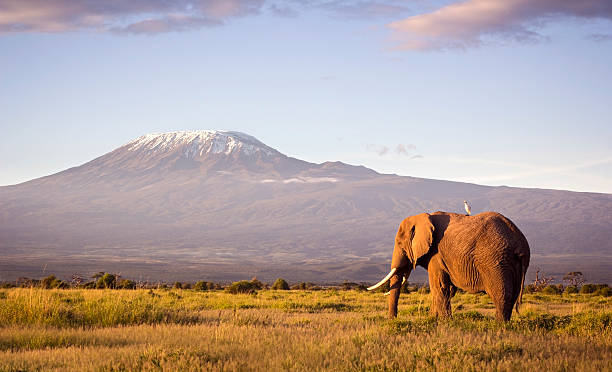
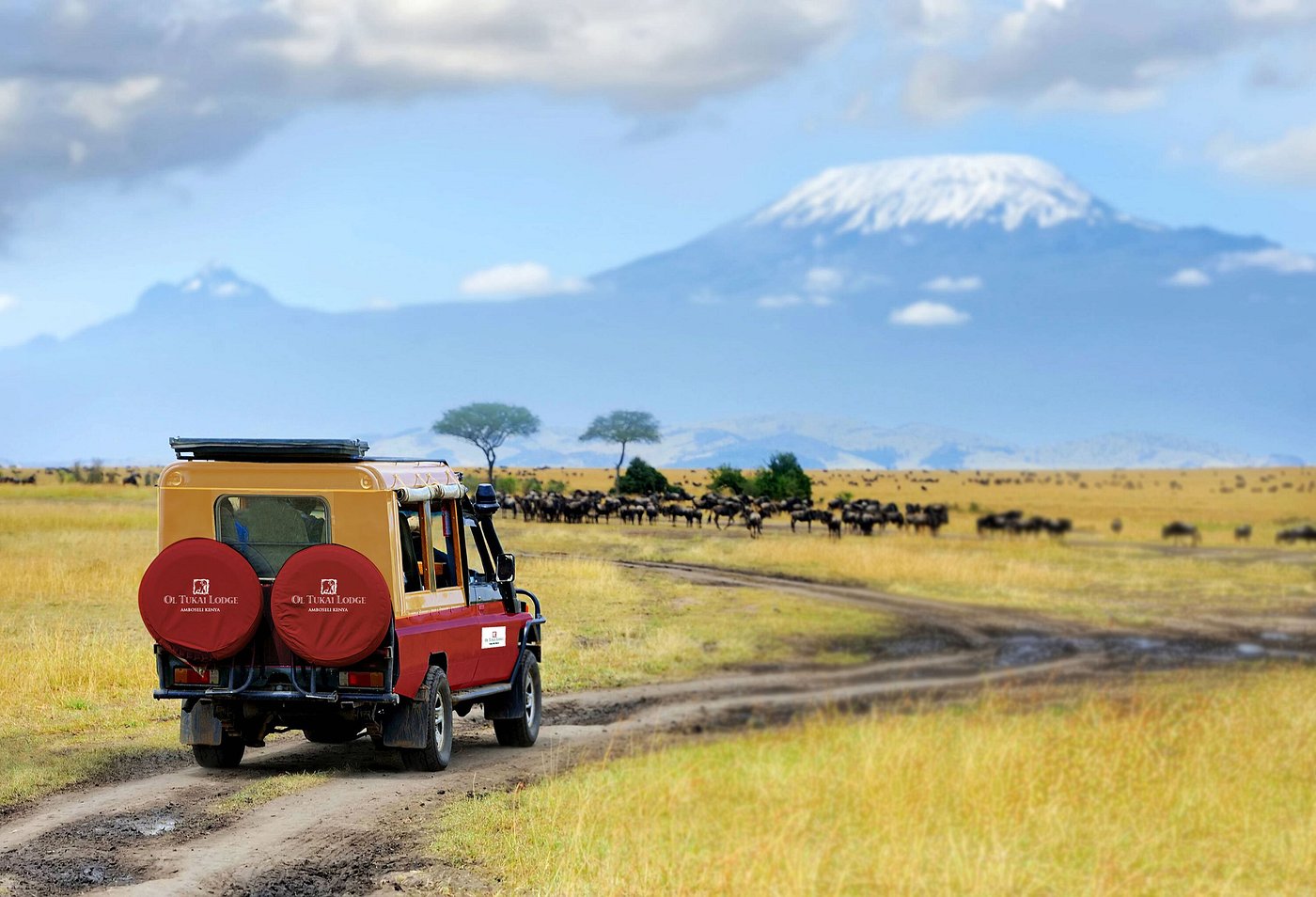
Amboseli National Park is one of Kenya's most celebrated wildlife destinations, renowned for its impressive elephant populations and unrivaled views of Mount Kilimanjaro. Covering approximately 392 square kilometers in southern Kenya, the park offers exceptional game viewing, diverse ecosystems, and rich cultural experiences. Visitors can spot elephants, lions, cheetahs, buffaloes, giraffes, zebras, wildebeests, and over 400 bird species throughout the year. The park's swamps, grasslands, acacia woodlands, and seasonal lakes create ideal wildlife habitats and stunning photographic opportunities. Amboseli National Park delivers unforgettable safari adventures, breathtaking scenery, and authentic African wildlife experiences.
These are published benefit thresholds, not amounts to add into a promised payout. The purchased policy’s terms govern eligible claims.
A medical emergency during a Masai Mara National Reserve or Amboseli National Park stay may require transfer to Nairobi. Medical services outside major cities are limited. Providers generally require upfront payment, so ask about direct billing and reimbursement procedures.
Ask for written confirmation of:
Collection from your named camp or lodge.
Ground or air transfer to an appropriate hospital.
Medically necessary onward transport.
Any evacuation to the United States.
Approval procedures, payment arrangements and emergency contacts.
Eligibility for game drives, walking safaris and balloon flights.
“
“Check where an evacuation benefit takes you, not just how much it pays.”
The US government strongly recommends supplemental medical evacuation insurance for Kenya. Keep Kenya safari health preparation separate from insurance purchase: medical advice, medicines and vaccination checks remain their own tasks.
How long does cover last, and does it include repeat visits?
Thirty days, three months and one year appear in different published descriptions. Kenya insurance repeat entry therefore needs checking against your purchased schedule and wording. Do not choose the longest headline period and assume it applies.
Administrative guidance describes shorter initial cover and extensions, purchase guidance reports a three-month quote, and an immigration alert describes annual repeat-trip cover. These descriptions are inconsistent, so obtain and check the schedule for your own purchase.
Do not infer that from the expiry date alone. Ask for written confirmation covering your precise Kenyan exit and return dates.
Ask: ‘Does this policy cover my first Kenyan stay, my departure to Tanzania and my return to Kenya on the dates shown in my itinerary, and are there any maximum trip-length conditions?’
Description
Reported duration
What to check
Ministry of Health administrative framework
Initial 30 days, with extensions
Whether this structure applies to your product
Direct purchase guidance
Three-month quote
Trip limits and re-entry conditions
Later immigration alert
One year, including repeat trips
Whether your issued policy confirms those terms
The administrative framework and later reports describe different periods. An expiry date alone does not resolve maximum trip length or what happens after leaving Kenya.
Send this enquiry before relying on cover for a Kenyan return:
“My policy reference is [reference]. I enter Kenya on [date], leave for Tanzania on [date], and return on [date]. Please confirm both Kenyan stays are insured, including repeat entry and any trip-duration limit.”
Keep kenya mandatory travel insurance validity, eTA validity and permission to enter separate. An eTA does not guarantee admission, and its validity does not establish insurance coverage.
What changes for a Kenya–Tanzania safari?
1 October introduced mainland Tanzania’s designated inbound insurance requirement. Mainland first entry uses the National Insurance Corporation arrangement. Zanzibar first entry uses Zanzibar Insurance Corporation. Kenyan insurance should not be treated as satisfying either Tanzanian requirement.
Before departureUnited States
Prepare the complete itinerary
List every arrival, departure and return date; check destination-linked insurance and comprehensive territorial cover separately.
First Kenyan stayNairobi and Masai Mara
Retain Kenyan insurance and authorisation records
Keep the reference, status evidence and available policy documents alongside the separately saved eTA.
Tanzanian entryTanzania mainland or Zanzibar
Check the designated entry-route arrangement
Mainland entry uses NIC; Zanzibar entry uses ZIC. Confirm the policy for your actual entry route. it.tzembassy.go.tz
Kenyan returnNairobi
Verify the second Kenyan stay
Obtain confirmation of repeat-entry insurance terms and check travel-authorisation conditions independently.
Featured Luxury
TZ+1
Safari
Tanzania · Masai Mara National Reserve
10Days
10 Days Two Nations Safari Kenya&Tanzania (luxury)
Masai Mara National ReserveSerengeti National ParkNgorongoro Crater+1
Experience a well-planned 10-day Kenya and Tanzania safari with Imara Africa Safaris, covering Lake Nakuru, Masai Mara, Serengeti, Ngorongoro Crater, Tarangire, and Amboseli. This two-nation safari combines big cats, rhinos, elephants, scenic landscapes, cultural experiences, and some of East Africa’s most iconic wildlife destinations.
10 Days Two Nations Safari Kenya&Tanzania Flying (Ultra-Luxury)
Masai Mara National ReserveSerengeti National ParkNgorongoro Crater+1
Experience a well-planned 10-day Kenya and Tanzania safari with Imara Africa Safaris, covering Lake Nakuru, Masai Mara, Serengeti, Ngorongoro Crater, Tarangire, and Amboseli. This two-nation safari combines big cats, rhinos, elephants, scenic landscapes, cultural experiences, and some of East Africa’s most iconic wildlife destinations.
For Kenya–Tanzania travel, map each border crossing before purchase. Our routes that combine the Mara and Serengeti require checks for the first Kenyan stay, Tanzanian entry and any Kenyan return.
Journey stage
Required planning check
Nairobi and Masai Mara stay
Kenyan insurance starts by arrival and covers the first stay
Mainland Tanzania and Serengeti National Park
Confirm the applicable NIC arrangement and Tanzanian authorisation
Return to Nairobi
Confirm Kenyan insurance re-entry terms and travel-authorisation conditions
This is a planning sequence, not a guaranteed direct transport route. We must confirm the flights or road transfers for the actual itinerary.
A Kenya–Zanzibar itinerary instead requires checking the ZIC arrangement for Zanzibar first entry. Official clarification allows qualifying valid Tanzanian policies to cover mainland and island visits. Do not assume two Tanzanian purchases are always necessary.
The mainland arrangement is listed at US$44 for cover lasting up to 92 days. Read Tanzania’s mandatory insurance requirements, then confirm the policy for your actual first entry. Check comprehensive territorial cover and travel authorisations separately.
Our pre-departure checklist for first-time safari travellers
Mara Serena Safari Lodge and Amboseli Serena Safari Lodge are examples of named accommodation to include in your itinerary records. Keep each booking confirmation with its stay dates. Naming a lodge does not imply accommodation includes insurance or evacuation.
Let’s check the route before you travel
We can help organise your safari dates and accommodation confirmations so you know which stays and border crossings to discuss with your insurer. Entry acceptance and insurance decisions remain with the relevant authority and provider.
check every traveller’s insurance and eTA position.
2
Fix the route
list arrival, departure and Kenyan return dates.
3
Prepare records
gather passports, flight details and accommodation confirmations.
4
Purchase recognised cover
use the route appropriate to your eTA status.
5
Verify dates and status
resolve missing records or mismatches.
6
Review wider protection
check cancellation, activities, evacuation and countries covered.
7
Save documents offline
retain insurance evidence and eTA separately.
At Imara Africa Safaris, we can organise route dates and accommodation confirmations for your application preparation. Authorities decide acceptance and admission; insurers decide coverage and claims.
If your safari includes a Kenyan return, plan your safari with us and we can review the itinerary sequence. You can then send the insurer precise dates rather than a broad description.
US tourists should not assume their existing policy replaces kenya mandatory travel insurance; current purchase guidance says external policies cannot be uploaded. Retain suitable comprehensive insurance alongside the required Kenyan cover.
No, you do not need to reapply solely to buy insurance. Use the separate official eCitizen insurance service and match the passport details on your approved eTA.
Purchase tests observed about US$48-52 per traveller, including a US$44 premium and additional charges. Treat this as a planning figure, not a universal tariff; eTA charges are separate.
Save the insurance reference, valid-status evidence, invoice and any available certificate, schedule or wording separately from your eTA. Document delivery has varied in reported purchases, so request missing policy documents rather than relying on the invoice alone.
Do not assume it will: published duration and repeat-entry descriptions conflict. Ask the insurer to confirm your exact Kenyan exit and return dates in writing.
No automatic insurance exemption should be inferred from age or eTA exemption. Confirm each child’s eligibility and each traveller’s nationality, residence or transit position before purchasing.
96views
Share
About the author
Lewis Munuhe
Founder & Director
<p>Lewis Munuhe is the Director and Owner of Imara Africa Safaris, a trusted safari company dedicated to creating tailor-made African safari experiences across Kenya, Tanzania, Uganda, and Rwanda. With a strong passion for African travel, wildlife, culture, and conservation, Lewis leads the company’s vision of delivering personalized, seamless, and unforgettable safari journeys for travelers from around the world.</p><p>Through Imara Africa Safaris, Lewis helps guests discover East Africa’s most iconic destinations, from the Masai Mara and Serengeti to Uganda and Rwanda’s gorilla trekking regions. His approach focuses on understanding each traveler’s interests, comfort level, budget, and expectations, then transforming those details into carefully curated safari itineraries that feel personal, meaningful, and well-planned.</p><p>As Director and Owner, Lewis is committed to maintaining high standards in safari planning, guest care, destination expertise, and responsible tourism. Whether arranging a luxury wildlife safari, honeymoon escape, family adventure, cultural journey, gorilla trekking safari, or multi-country East African itinerary, he ensures every experience reflects the quality, authenticity, and attention to detail that define Imara Africa Safaris.</p><p>Under his leadership, Imara Africa Safaris continues to help travelers experience the beauty of Africa through expertly planned safaris that celebrate wildlife, landscapes, local cultures, conservation, and unforgettable adventure.</p>
<p>Lewis Munuhe is the Director and Owner of Imara Africa Safaris, a trusted safari company dedicated to creating tailor-made African safari experiences across Kenya, Tanzania, Uganda, and Rwanda. With a strong passion for African travel, wildlife, culture, and conservation, Lewis leads the company’s vision of delivering personalized, seamless, and unforgettable safari journeys for travelers from around the world.</p><p>Through Imara Africa Safaris, Lewis helps guests discover East Africa’s most iconic destinations, from the Masai Mara and Serengeti to Uganda and Rwanda’s gorilla trekking regions. His approach focuses on understanding each traveler’s interests, comfort level, budget, and expectations, then transforming those details into carefully curated safari itineraries that feel personal, meaningful, and well-planned.</p><p>As Director and Owner, Lewis is committed to maintaining high standards in safari planning, guest care, destination expertise, and responsible tourism. Whether arranging a luxury wildlife safari, honeymoon escape, family adventure, cultural journey, gorilla trekking safari, or multi-country East African itinerary, he ensures every experience reflects the quality, authenticity, and attention to detail that define Imara Africa Safaris.</p><p>Under his leadership, Imara Africa Safaris continues to help travelers experience the beauty of Africa through expertly planned safaris that celebrate wildlife, landscapes, local cultures, conservation, and unforgettable adventure.</p>
<p>Lewis Munuhe is the Director and Owner of Imara Africa Safaris, a trusted safari company dedicated to creating tailor-made African safari experiences across Kenya, Tanzania, Uganda, and Rwanda. With a strong passion for African travel, wildlife, culture, and conservation, Lewis leads the company’s vision of delivering personalized, seamless, and unforgettable safari journeys for travelers from around the world.</p><p>Through Imara Africa Safaris, Lewis helps guests discover East Africa’s most iconic destinations, from the Masai Mara and Serengeti to Uganda and Rwanda’s gorilla trekking regions. His approach focuses on understanding each traveler’s interests, comfort level, budget, and expectations, then transforming those details into carefully curated safari itineraries that feel personal, meaningful, and well-planned.</p><p>As Director and Owner, Lewis is committed to maintaining high standards in safari planning, guest care, destination expertise, and responsible tourism. Whether arranging a luxury wildlife safari, honeymoon escape, family adventure, cultural journey, gorilla trekking safari, or multi-country East African itinerary, he ensures every experience reflects the quality, authenticity, and attention to detail that define Imara Africa Safaris.</p><p>Under his leadership, Imara Africa Safaris continues to help travelers experience the beauty of Africa through expertly planned safaris that celebrate wildlife, landscapes, local cultures, conservation, and unforgettable adventure.</p>

















Comments
Loading…