Best Time for the Great Migration in Masai Mara | Imara Africa Safaris
When is the best time to see the Great Migration in the Masai Mara?
The best time to see the Great Migration in Kenya’s Masai Mara is usually July to October, but timing shifts each year. Here is how to plan around arrivals, river crossings and departures.
16 min read7views
African Elephant
7views1shares
Share
Listen~16 min
In this articleTap to view 18 sectionsTap a section to jump
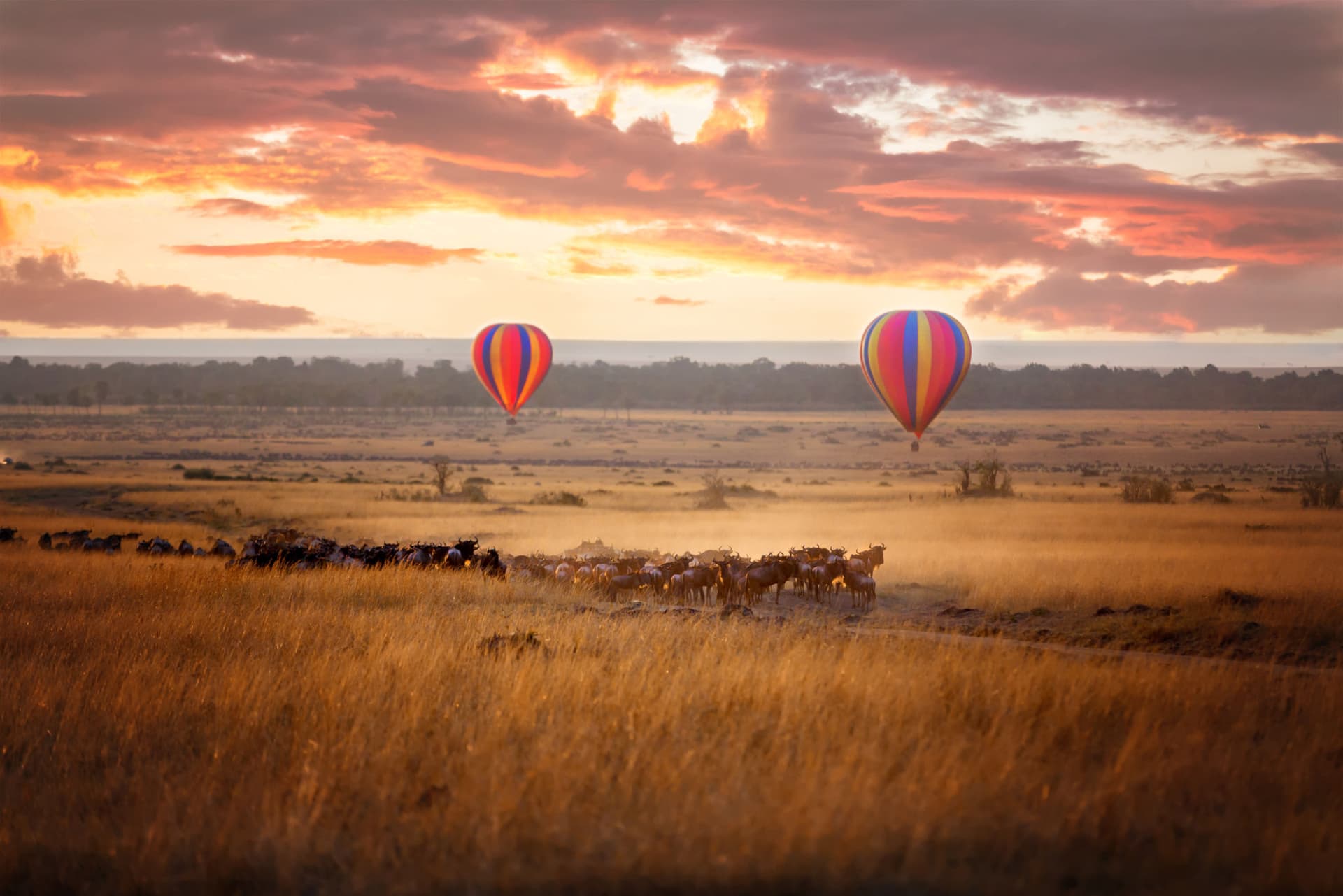
The best time to see the Great Migration in the Masai Mara is usually from July to October, with the most dramatic Mara River crossings often occurring in August and September. There is no single guaranteed week: rain, grass conditions and river levels all influence exactly when the herds move.
The clearest migration window in the Masai Mara is usually July to October, not one fixed week.
River crossings most often build from August into September, but they depend on rain, grazing and river levels.
For first-time travellers, late August to late September often gives the best balance of herds, crossings and predator action.
October can still be excellent, with fewer vehicles in some areas and strong resident game viewing.
For top migration camps and premium lodges, we recommend booking 9 to 12 months ahead, especially for August and September.
Quick answer: the best migration months in the Masai Mara
If you are searching for the best time to see great migration Masai Mara, the core answer is simple: in most years, the main Masai Mara migration season runs across 4 months: July, August, September and October. For first-time safari travellers hoping for the classic drama of dust, crocodiles, nervous wildebeest and packed riverbanks, August and September usually offer the strongest chance of witnessing a Mara River crossing.
That said, no honest safari operator can promise one exact crossing date. The wider Great Migration involves about 1.3 million wildebeest, alongside hundreds of thousands of zebra and gazelle, but these animals do not move by calendar alone. They respond to rain, grass growth, pressure from the herd behind them, predator presence, and the condition of crossing points along the Mara River, Talek River and Sand River.
The practical way to plan is to choose the right month, stay in the right area, and allow enough nights. We generally recommend at least three to four nights in the Mara during migration season, and longer if this is the central reason for your trip.
Why there is no single ‘best week’ for the Great Migration
The migration is not a parade that arrives on cue. It is a living system spread across the wider Serengeti-Mara ecosystem, and small shifts in rainfall can delay or accelerate movement by days or even weeks. If the southern and central plains of Tanzania receive rain later than expected, grazing may hold animals back in the Serengeti. If northern grass is especially good, herds may push into Kenya more quickly.
This is why we are careful with expectations. You can absolutely travel in the right season and still find that the herds are concentrated farther south one week, then suddenly massing near the river the next. A crossing may happen several times in one day at one section of river, then not happen at all the following day. Just as often, herds build up at the bank, mill around for hours, and turn away at the last moment.
Fresh grazing is one of the biggest triggers. Wildebeest are constantly seeking short, nutritious grass. Zebra often move ahead or alongside them, while gazelle pick their own paths. Herd pressure matters too: thousands of animals bunching behind a nervous front line can eventually force a crossing. Then there is the river itself. Strong current, steep muddy banks and lingering crocodiles all alter behaviour.
Even when the migration is between major movements, game viewing in kenya masai mara remains excellent. The Masai Mara National Reserve and adjoining conservancies hold resident lion, leopard, cheetah, elephant, buffalo, giraffe and rich plains game year-round. The Masai Mara National Reserve covers roughly 1,510 square kilometres in south-west Kenya, so there is always a great deal of wildlife beyond the headline crossings.
Month-by-month timeline: July to November
The easiest way to understand wildebeest migration Kenya months is to think in phases rather than fixed dates.
Month
What usually happens
Best for
Typical safari feel
July
First herds begin arriving from the northern Serengeti via the Sand River area and nearby border zones
Early migration action, fewer vehicles than peak weeks
Fresh, expectant, good value for prime season
August
Larger concentrations gather in the Mara ecosystem; river activity increases
Classic migration scenes and strong crossing potential
Busy, dramatic, highly sought-after
September
Often peak herd density in the Mara, with continued river movement and predator action
First-time safari travellers wanting the fullest migration spectacle
Prime season at its fullest
October
Some herds remain in Kenya while others start drifting south
Excellent wildlife with slightly softer demand at some camps
Balanced, rewarding, often better value
November
More animals move back towards Tanzania as the short rains influence grazing patterns
Mixed safari with migration remnants and strong resident game
Quieter, greener, less focused on crossings
What happens in July: the Serengeti to Masai Mara arrival phase
July is when the migration story in Kenya often begins to feel tangible. Herds moving up from Serengeti National Park start pressing towards the border, with activity often building near the Sand River and adjacent routes into the reserve. This is the serengeti to masai mara migration phase that many travellers overlook in favour of peak crossing headlines, but it can be deeply rewarding.
The attraction is simple: after seasonal rains, the northern grass can be highly nutritious, drawing animals into Kenya. The first arrivals are not always the huge wall-to-wall concentrations seen later in the season, but they bring energy and unpredictability. You may see long files of wildebeest moving with real purpose, zebra keeping a looser formation, and predators already watching pressure points where animals funnel through.
For travellers who prefer a slightly calmer atmosphere, July can be a very smart choice. You still need to book well, especially at top camps, but there are often fewer vehicles around key sightings than in late August. Room rates may also sit just below absolute peak.
We often suggest July for guests who want migration action without tying the entire safari to river crossings alone. It also combines beautifully with other Kenyan parks if you want a broader wildlife programme.
What happens in August and September: the river crossing season
For many first-time safari travellers, this is the dream window. August and September are usually the heart of the masai mara river crossing season, when large herds gather along the Mara River, hesitate at the banks, then suddenly plunge into the water. It is one of Africa’s most intense wildlife spectacles because so much can change in seconds.
The tension begins long before the crossing itself. Herds bunch along the bank, individuals edge forward, then recoil. One animal commits, others follow, and within moments the river can be full of wildebeest, zebra and spray. Strong currents pull at the animals. Crocodiles lie in wait. On the far bank, steep exits create bottlenecks where some animals scramble up while others circle back in confusion.
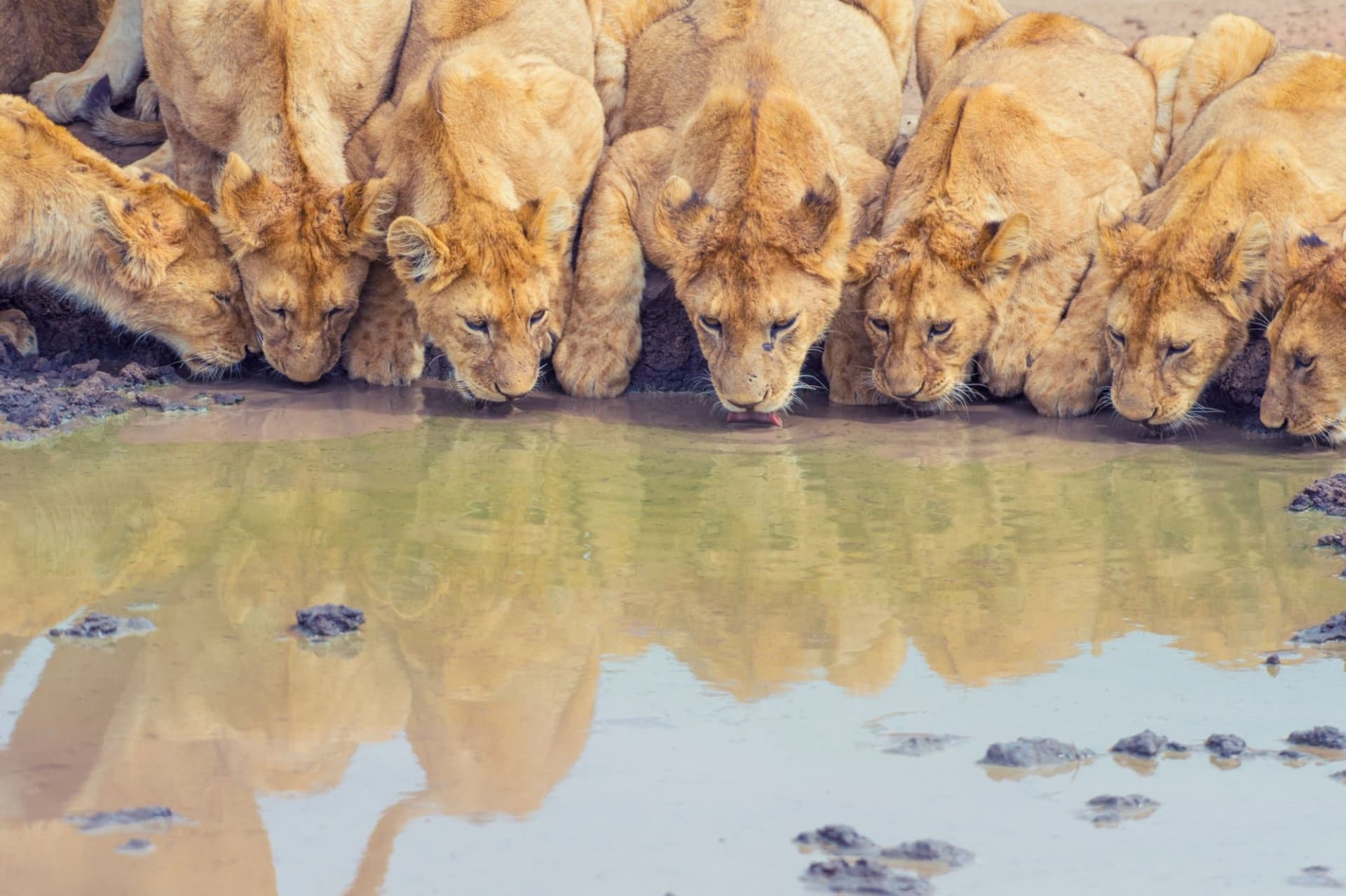
Predators know these routes well. Lion often hold territories near major movement corridors. Cheetah patrol open ground where smaller groups split off. Hyena work the edges. Along river systems and nearby plains, the concentration of prey keeps the entire food chain alert.
Our guides focus on known crossing circuits in the Mara Triangle and wider reserve, while reading signs in real time rather than simply waiting at one bank all day. Fresh tracks, the direction of moving columns, alarm calls, and gathering pressure all matter. Some crossing points are used repeatedly, but the herds are never fully predictable.
“
““The best guide does not promise a crossing at 11.00. He notices when the herd has stopped grazing, when the lead animals keep lifting their heads, and when the pressure from behind starts to build. That is when the river may suddenly come alive.””
The Mara Triangle is especially important during this period because it offers strong access to classic river scenes and is generally well managed. The corridor around the Talek River can also be excellent for action, particularly when predators are shadowing the herds. If your main goal is dramatic migration imagery, we usually lean towards late August to late September as the strongest overall window.
What happens in October and November: departure back south
By October, the migration pattern becomes more fluid again. Some herds are still very much in Kenya, and you can have superb sightings, but others begin to break away and drift back towards Tanzania. Short rains can influence these movements quickly, encouraging animals to follow fresh grazing south through the wider ecosystem.
This is one of the most underrated periods for a safari in masai mara national park kenya. You may not see the same intensity of repeated headline crossings as in peak weeks, but you often gain a more relaxed rhythm and very strong all-round game viewing. There can still be substantial herds in parts of the reserve, and resident predators remain highly active.
October, in particular, can be a very sensible choice for travellers seeking value. Some camps ease slightly from top peak pricing, and the atmosphere can feel less pressured while still delivering impressive wildlife. November is greener and less migration-centric, but still rewarding if you understand that the focus shifts from big crossing drama to mixed game viewing across the ecosystem.
If your priorities include photography, softer light, fewer vehicles at sightings and a broader safari rather than one single event, this shoulder period can be excellent.
Best areas to base yourself for migration viewing
Choosing the right zone matters almost as much as choosing the right month. The masai mara is not one uniform landscape; access, exclusivity and wildlife patterns differ between sectors.
Mara Triangle
The Mara Triangle is one of the strongest bases for classic migration viewing, especially during peak river season. It offers access to major sections of the Mara River and is well placed for dramatic crossing scenes. For travellers who want iconic first-time safari moments, this is often where we start the conversation.
Central Mara
Central areas of the reserve offer flexibility. You are well positioned for a mix of migration action and strong resident wildlife, particularly big cats. If river crossings are important but you also want excellent all-round game drives, central Mara camps can work very well.
Mara North Conservancy and Olare Motorogi Conservancy
Mara North Conservancy and Olare Motorogi Conservancy are ideal for guests who value a more exclusive experience. Vehicle numbers are controlled, guiding is often superb, and the quality of predator sightings can be outstanding. While you may still drive into the main reserve for migration action, your day-to-day safari feel is quieter and more tailored.
Sand River area
If you are travelling in July or very early in the season, the Sand River area can be especially interesting because it sits close to the initial arrival routes from Tanzania. It is a good choice for travellers fascinated by the first phase of movement from the Serengeti into Kenya.
Which month is best for first-time safari travellers?
If we had to choose one period for a first safari focused on the Great Migration, we would usually recommend late August to late September. This gives you the highest overall chance of seeing major herd concentrations in the Masai Mara ecosystem, with real potential for memorable river activity.
But the “best” month depends on what kind of trip you want:
For the best chance of major crossings: late August to September.
For early migration action with slightly fewer crowds: late July to early August.
For strong wildlife and softer demand at some lodges: October.
For photographers wanting exclusivity: private conservancy stays paired with reserve access are often better than simply chasing the busiest crossing points.
For families: we often favour dates that avoid the most congested river-viewing periods while still giving a realistic chance of seeing herds.
If your dates are flexible, ask us to match month and camp location to your exact priorities. If they are not, do not worry too much about finding the mythical perfect week. Better results usually come from staying long enough, choosing a strategic base and working with guides who understand current herd behaviour.
For wider seasonal context beyond migration months, our guide to the best time to visit Masai Mara is a useful companion.
Where to stay: premium lodges and camps we recommend
For migration safaris, where you sleep influences how efficiently you can reach key areas at the right time of day. We tailor each stay to the season, budget and pace of travel, but a few properties stand out consistently.
Angama Mara
Angama Mara is one of the reserve’s most polished addresses, perched above the escarpment with extraordinary views over the Mara. It suits travellers who want refined design, excellent guiding and a strong sense of occasion. Rates are typically from $2,000 pp per night in high season, depending on room type and exact dates.
Mara Serena Safari Lodge
Mara Serena Safari Lodge has long been popular for its access to the Mara Triangle sector and broad views across the plains. It works well for travellers who want a classic lodge format with straightforward access to migration circuits. Expect high-season pricing from around $350 pp per night.
Keekorok Lodge
Keekorok Lodge is one of the Mara’s historic names and remains well placed near migration routes in the reserve. It is often a practical choice for guests who want a recognisable, well-positioned base rather than a tiny tented camp. Rates generally start from around $300 pp per night in season.
Private conservancy camps
In Mara North Conservancy and Olare Motorogi Conservancy, private camps deliver a quieter, more exclusive experience with fewer vehicles and, in many cases, more flexible game-drive timings. These are ideal for couples, photographers and repeat safari travellers, though first-timers often love them too once they understand the difference. Premium tented options generally start from $900 pp per night and rise significantly for top-tier properties.
Whichever camp you choose, the key booking rule is simple: for prime migration dates, many premium camps release space 9 to 12 months in advance. The most sought-after family tents, guide rooms and honeymoon suites are often taken first.
How we plan a bespoke migration safari
At Imara Africa Safaris, we plan migration trips around movement patterns rather than forcing a one-size-fits-all itinerary. The best safaris leave room for unpredictability while still feeling seamless on the ground.
One of the smartest ways to do this is to combine the Mara with the Serengeti. If your schedule and budget allow, following the movement across both countries gives you a richer sense of the entire ecosystem and improves your chances of seeing different phases of the migration. Our 12-Day Grand East Africa Safari is a strong template for travellers who want to bridge Tanzania and Kenya in one elegant journey.
If you prefer to focus on Kenya alone, our 8-Day Kenya Big Five Safari works well for first-time visitors who want the Masai Mara as a centrepiece, balanced with other classic parks.
We also pay close attention to logistics. From Nairobi to the Masai Mara, road transfers usually take around 5 to 6 hours, while flights are about 45 to 60 minutes. For premium migration departures, we often favour flying wherever possible, especially if you are combining multiple camps or crossing into Tanzania. It reduces fatigue and gives you more useful safari time.
Our planning process usually follows four simple principles:
Choose the right window: we match your travel dates to likely herd position and your priorities, whether that means crossings, privacy or a broader wildlife focus.
Pick the right area: Mara Triangle, central reserve, Sand River, Mara North Conservancy and Olare Motorogi Conservancy each suit different goals.
Allow enough nights: migration sightings are best approached with patience; a rushed two-night stay can be frustrating.
Keep routing efficient: flights, border connections and lodge combinations should support the safari, not complicate it.
We also keep practicalities clear, from park fees and child policies to luggage limits on safari flights. In Kenya, reserve operations and conservation structures involve local authorities and bodies including the Kenya Wildlife Service, and these regulations can affect access, timings and fees from season to season. We monitor these details closely when building your itinerary.
As a guide, premium masai mara safari packages focused on migration season often start from about $3,500 pp for a shorter fly-in stay and can rise to $8,000 pp or more for luxury camps, private guiding and multi-country combinations. The right budget depends on how exclusive you want the experience to feel, how many nights you want to allow, and whether you want to pair the Mara with the Serengeti, Amboseli or the coast.
September is often the strongest single month for overall herd density, but late August to late September is usually the best overall window. July to October is the core season, with exact timing shaped by rainfall and grazing conditions.
The main Masai Mara river crossing season is usually August and September, though some crossings can begin in late July and continue into October. There is never a guaranteed date, as river levels and herd behaviour change constantly.
Yes, when you are with an experienced guide and remain in designated viewing positions inside the vehicle, it is safe to watch a crossing. We never approach on foot, and our guides judge distance, terrain and vehicle placement carefully.
For the best camps and prime dates, book 9 to 12 months in advance. Premium lodges in the Mara Triangle and private conservancies can fill very quickly for August and September.
If time and budget allow, combining the Mara with the Serengeti gives you a fuller view of the migration and more flexibility if the herds shift. If you only have one safari week, a well-planned Masai Mara stay can still be superb, especially for first-time visitors.
Key facts at a glance
The wider Great Migration involves about 1.3 million wildebeest, alongside hundreds of thousands of zebra and gazelle.
• The Masai Mara National Reserve covers roughly 1,510 square kilometres in south-west Kenya.
• From Nairobi to the Masai Mara, road transfers usually take around 5 to 6 hours, while flights are about 45 to 60 minutes.
• For prime migration dates, many premium camps release space 9 to 12 months in advance.
• In most years, the main Masai Mara migration season runs across 4 months: July, August, September and October.
Ready to plan your safari?
Tell us your dates and dream sightings — our specialists craft a tailor-made itinerary, free of charge.
Lewis founded Imara Africa Safaris with a vision to share the magic of East Africa with the world while supporting local communities and conservation. A lifelong wildlife enthusiast, he personally vets every experience offered.
Lewis founded Imara Africa Safaris with a vision to share the magic of East Africa with the world while supporting local communities and conservation. A lifelong wildlife enthusiast, he personally vets every experience offered.
Lewis founded Imara Africa Safaris with a vision to share the magic of East Africa with the world while supporting local communities and conservation. A lifelong wildlife enthusiast, he personally vets every experience offered.


Comments
Loading…