
Affordable Kenya Safari Packages From the US
Affordable Kenya Safari Packages From the US can still feel private, well-paced and wildlife-rich when routed by road through Mara, Naivasha, Nakuru and Amboseli.
24 min read43viewsUpdated Oct 3, 2026
“Imara” means strong in Swahili. We build every safari with that same strength — expert knowledge, honest pricing, and relentless attention to detail.
Tell us what you're looking for and we'll build a custom itinerary — free, no obligation, within 24 hours.
Start PlanningNo spam, ever. Unsubscribe anytime.
Protected by Cloudflare Turnstile & Google reCAPTCHA. Privacy & Terms apply.
Safari deals, travel tips & destination guides — straight to your inbox.
No spam, ever. Unsubscribe anytime.
Protected by Cloudflare Turnstile & Google reCAPTCHA. Privacy & Terms apply.
Affordable Kenya Safari Packages From the US can still feel private, well-paced and wildlife-rich when routed by road through Mara, Naivasha, Nakuru and Amboseli.
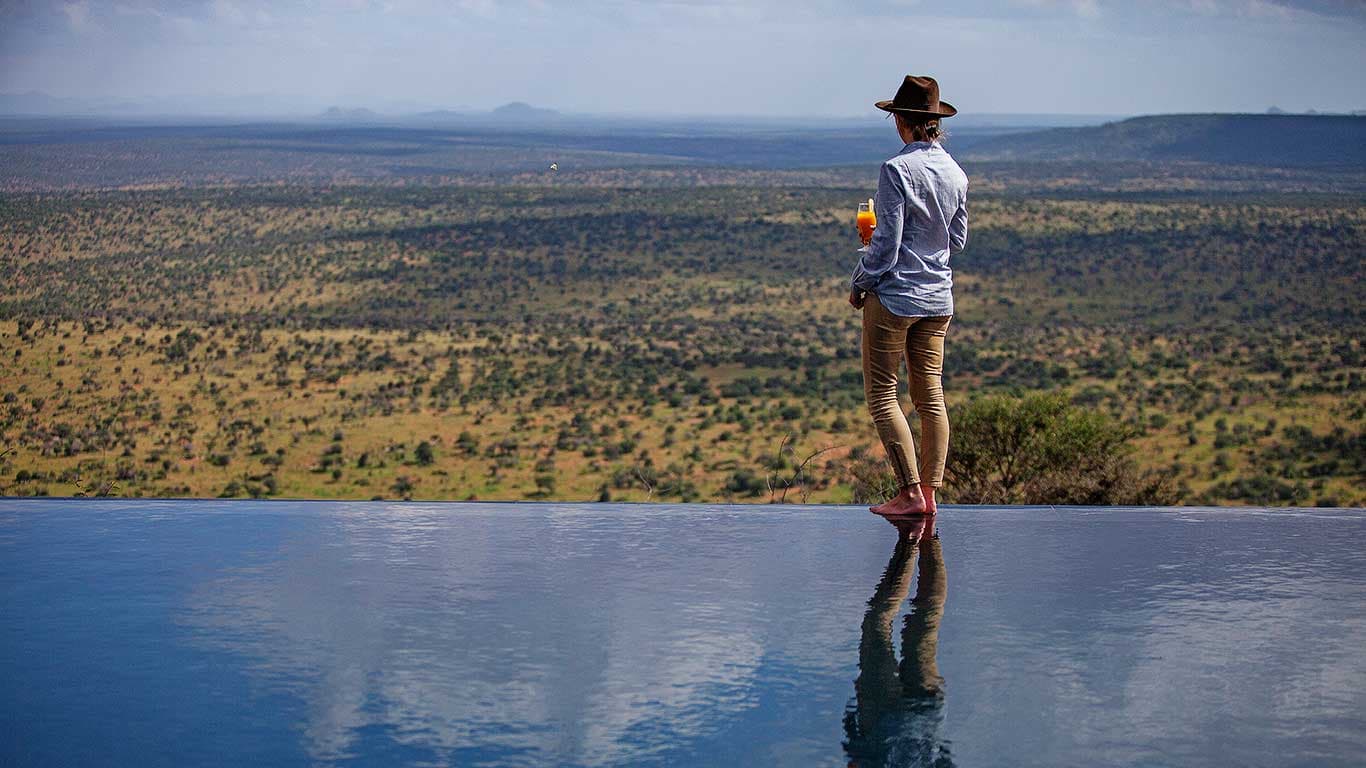
Nairobi is the practical gateway for most US travellers because Jomo Kenyatta International Airport connects well with the Masai Mara, Amboseli, Lake Nakuru and Lake Naivasha by road. An affordable Kenya safari should mean good wildlife access, safe vehicles and reliable guiding, not a bare-bones trip that wastes game-viewing time or uses weak logistics.
Most Kenya safari packages are quoted as land-only arrangements. International flights from the US are usually priced separately, which makes it easier to compare the actual safari cost: vehicle, guide, park fees, accommodation, meals and game drives.
For many travellers, the value sweet spot is a 5–8 day private road safari using mid-range lodges or tented camps. A couple sharing one vehicle will pay more per person than a family of four or a group of friends, because the vehicle, guide and fuel costs are spread across fewer people.
A shorter Masai Mara-focused package can still work well for travellers with limited leave. Nairobi to the Masai Mara by road is roughly 270 km and usually takes 5–6 hours with stops, so a 3-night Mara safari gives enough time for proper game drives without rushing every day.
Masai Mara, Amboseli and Lake Nakuru pricing is shaped first by fixed safari costs, not by marketing labels. Park fees, conservancy fees, accommodation, guide wages, safari vehicle maintenance, fuel and long-distance logistics all sit inside a proper quote.
Kenya Wildlife Service manages several major parks, including Amboseli National Park, Lake Nakuru National Park and Tsavo East National Park. Masai Mara National Reserve fees are set through the Narok County Government. These charges can form a large part of the daily cost, especially on itineraries with several protected areas.
Private safari costs usually fall per person as the travelling party grows. Two guests might carry the full cost of a 4x4 Land Cruiser and driver-guide, while four or six guests share the same vehicle cost. This is why family Kenya safari packages and small friend-group trips often deliver better value than two-person itineraries.
A quote that looks cheap can become expensive once park fees, full-board meals or private vehicle use are added. Compare inclusions line by line rather than choosing the lowest headline price.
Lake Naivasha, Lake Nakuru and the Masai Mara form one of Kenya’s strongest short safari circuits because the route gives water, woodland, open plains and big-cat country without flying. It also starts and ends cleanly in Nairobi, which suits most Kenya safari packages from USA flight patterns.
A 4-day Masai Mara, Lake Nakuru and Lake Naivasha route works for first-time travellers with limited time. It is fast-paced, but it delivers strong wildlife: rhino and Rothschild’s giraffe in Nakuru, hippos and fish eagles on Naivasha, then lions, elephants and cheetahs in the Mara.
A 5–6 day Amboseli, Naivasha, Nakuru and Masai Mara circuit gives better balance. Amboseli adds elephant herds below Kilimanjaro, Naivasha breaks the drive, Nakuru adds rhino viewing, and the Mara anchors the safari with the richest predator country. A published 5-day midrange Kenya safari is often the right starting point for this style of trip.
An 8–10 day road safari suits travellers who want slower pacing, more photography time or a coast finish at Diani Beach. It can also include Tsavo East National Park, which covers about 13,747 sq km, making it one of Kenya’s largest protected areas.
Jomo Kenyatta International Airport is about 15 km south-east of central Nairobi, so a Nairobi arrival night often makes sense after a long US flight. It protects the first safari day from delays, baggage issues and jet lag.
Masai Mara National Reserve covers about 1,510 sq km in south-west Kenya, and it remains the main wildlife anchor for most affordable Kenya safari packages. The reserve is famous for migration crossings, but its resident game is the real reason it works year-round.

 KE
KEThe Masai Mara National Reserve in southwestern Kenya is a premier 1,510-square-kilometre wildlife sanctuary. Renowned for the annual Great Wildebeest Migration from July to October, it offers exceptional year-round Big Five viewing across open savannahs. The reserve is contiguous with Tanzania's Serengeti, forming a critical, biodiverse transboundary ecosystem.
Travellers comparing a Masai Mara safaris package will usually see three accommodation styles: camps inside the reserve, camps near the reserve gates, and camps in private conservancies bordering the reserve. Each changes the cost and the experience.
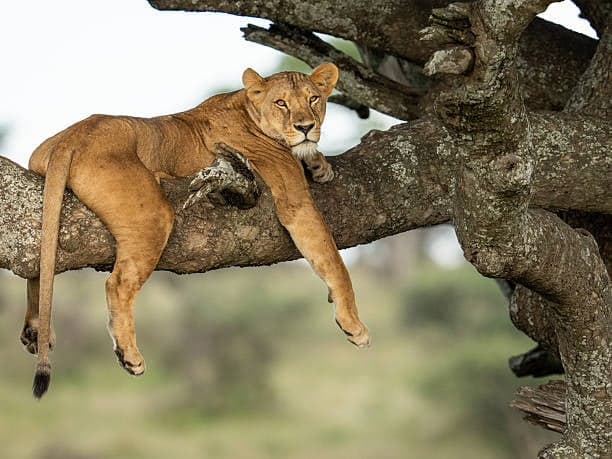
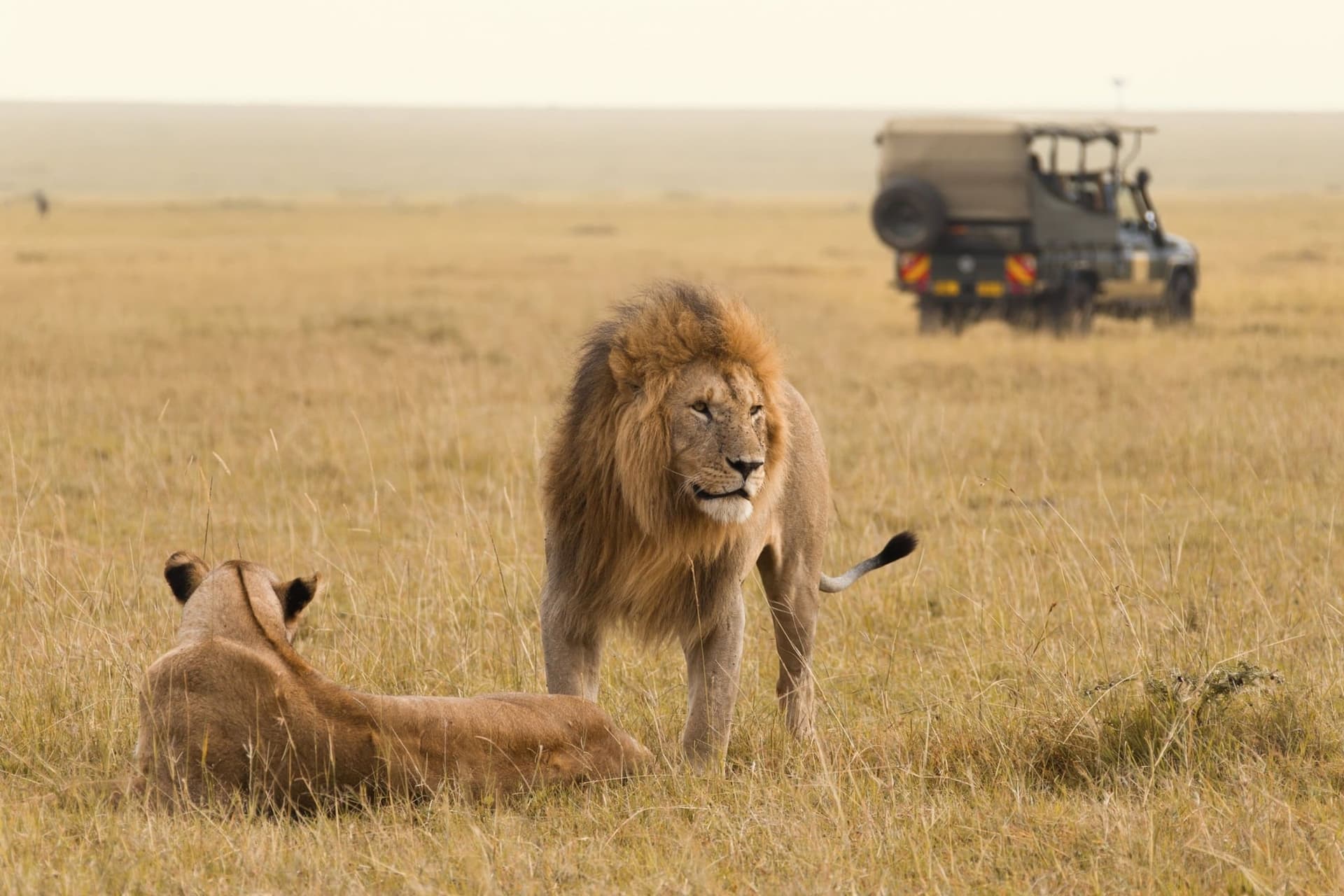
Resident lions, cheetahs, elephants, buffalo, spotted hyenas and giraffes keep the Mara rewarding outside the migration period. Guides often track lion prides by listening for hyenas before sunrise, then checking open grassland where zebra and topi have been feeding overnight.
““In the Mara, budget should never mean fewer hours in the field. A well-located camp near Sekenani, Talek or Ololaimutiek can give guests more wildlife time than an expensive camp placed poorly for their route.””
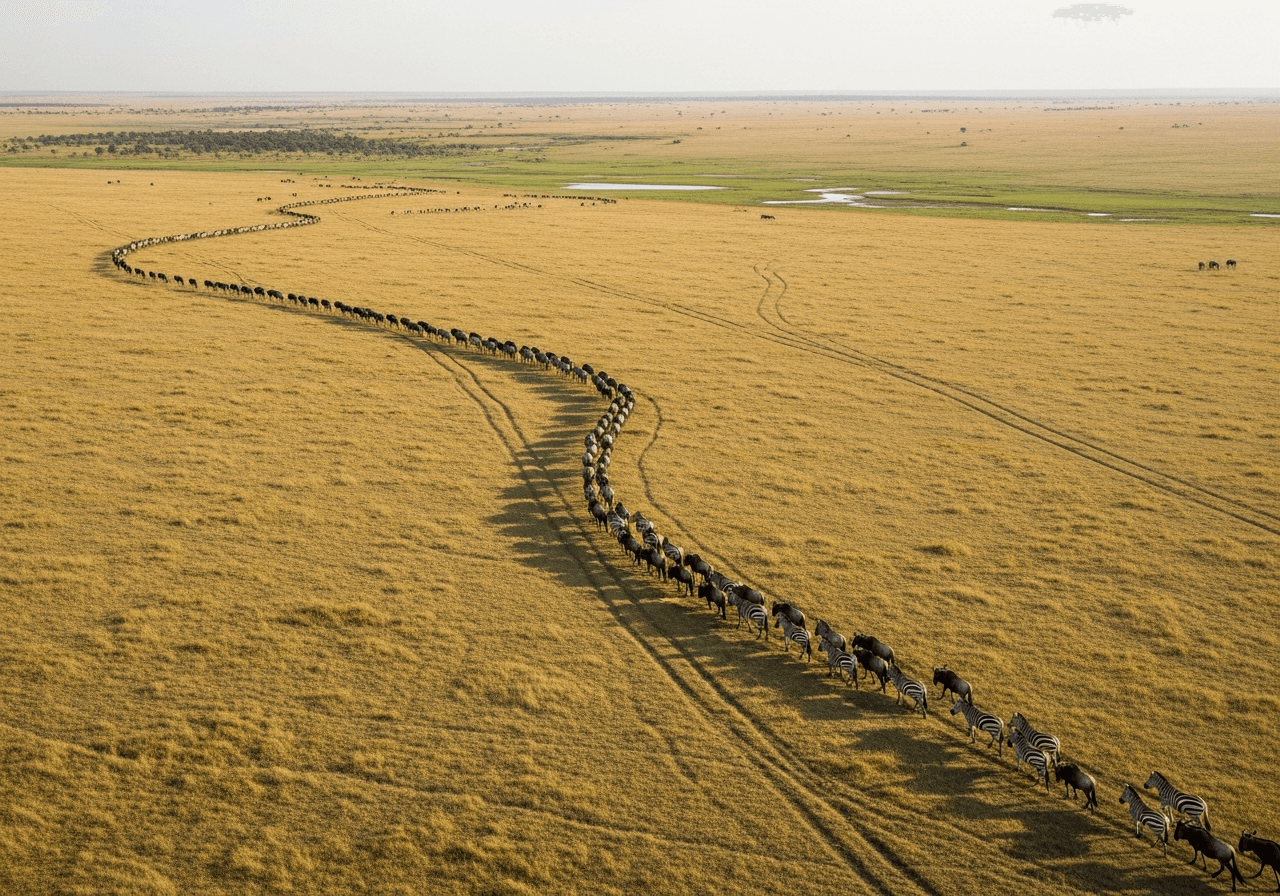
Peak Great Migration viewing in the Masai Mara typically falls between July and October. Those months can be exceptional, but they are not essential for a first Kenya safari. January to March can bring clear light and good predator sightings, while parts of the green season offer lower rates and fewer vehicles.
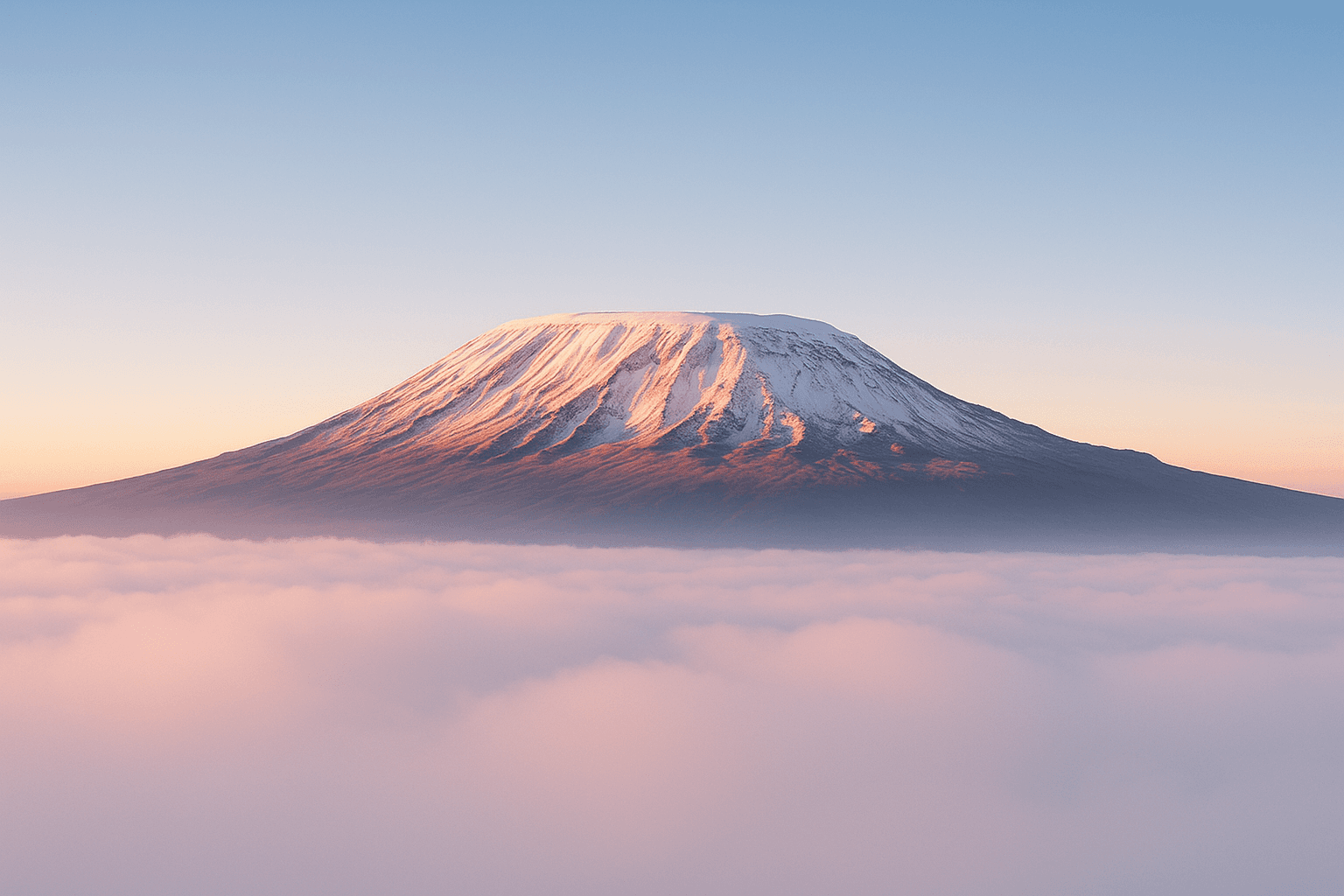
Amboseli National Park covers about 392 sq km below Mount Kilimanjaro, and its elephant viewing is one of the best reasons to add it to a midrange Kenya safari. On clear mornings, elephants often cross open flats with Kilimanjaro behind them before heat haze builds.
Best for elephants, open plains and Mount Kilimanjaro backdrops when clouds lift.
A relaxed Rift Valley stop with boat rides, hippos, fish eagles and optional Hell’s Gate activities.
Strong for rhino viewing, Rothschild’s giraffe, wooded drives and seasonal flamingo numbers.
The headline reserve for big cats, plains game, elephant herds and migration-season drama.
A strong add-on for longer trips, especially when linking a safari with the Kenya coast.
A useful beach finish when travellers want recovery time after early starts and long drives.
Amboseli National Park works well at the start of a road safari because it lies south-east of Nairobi and combines easily with Lake Naivasha or Nairobi before continuing to the Rift Valley. The park is compact enough for rewarding game drives without needing luxury-level spend.
Lake Naivasha is lower-key and useful. Boat rides pass hippos, cormorants and African fish eagles, while optional cycling in Hell’s Gate National Park adds movement after long vehicle days. Many affordable Kenya safari packages use Naivasha as both an experience and a sensible break between longer drives.
Lake Nakuru National Park adds a different habitat: acacia woodland, lakeshore, cliffs and open grassland. It is known for black and white rhino, Rothschild’s giraffe, buffalo and leopard sightings. Flamingo numbers vary with water levels and food conditions, so it should be sold as a seasonal birding bonus rather than a guarantee.
These stops reduce the strain of a Nairobi-to-Mara-only itinerary. They also broaden the wildlife list, which matters for families and first-time safari travellers who want more than one landscape and more than one style of game drive.
Nairobi road safaris keep costs under control because one guide, one vehicle and one route can serve the whole trip. For most affordable Kenya safari packages, that structure gives the best blend of privacy, price and flexibility.
The best choice depends on time, budget, comfort and how much flexibility the party wants.
Flying can make sense for guests with tight schedules, older travellers who dislike long drives, or couples combining the Mara with Diani Beach. It also shifts the safari into a higher cost bracket once scheduled flights, airstrip transfers and premium camp locations are added.
Domestic safari flights usually use soft luggage limits, often around 15 kg per person depending on airline and routing. Travellers also need to factor in Nairobi transfers between international terminals, Wilson Airport for many safari flights, or Jomo Kenyatta International Airport for some coastal connections.
A private road safari often works well for family Kenya safari packages because the day can flex around children’s energy, lunch stops and photography. Couples and groups of friends also gain control over game-drive length and departure times.
April, May and parts of November usually bring the best chance of lower safari rates, greener landscapes and fewer vehicles. Rain patterns vary by region, but camps often price these months more softly than the peak dry season.
The dry season, especially June to October, gives reliable wildlife viewing because animals concentrate around permanent water and grass is shorter. Demand rises at the same time, particularly in the Masai Mara during migration months, so accommodation prices and availability tighten.
Peak Great Migration viewing in the Masai Mara typically falls between July and October. Travellers who want the Mara without the highest rates can look at early June, late October, November, January or February. Wildlife remains strong, and well-planned game drives still produce excellent sightings.
School holidays and festive travel need early planning, especially for families needing triple rooms, interconnecting rooms or child-friendly camps. Late booking can still work, but it usually narrows the choice to less convenient locations.
Three nights in the Masai Mara can produce excellent wildlife, but it leaves little room for jet lag after a US arrival. A 3–4 day affordable Kenya safari is best treated as a concentrated taster, not a relaxed holiday.
 KE
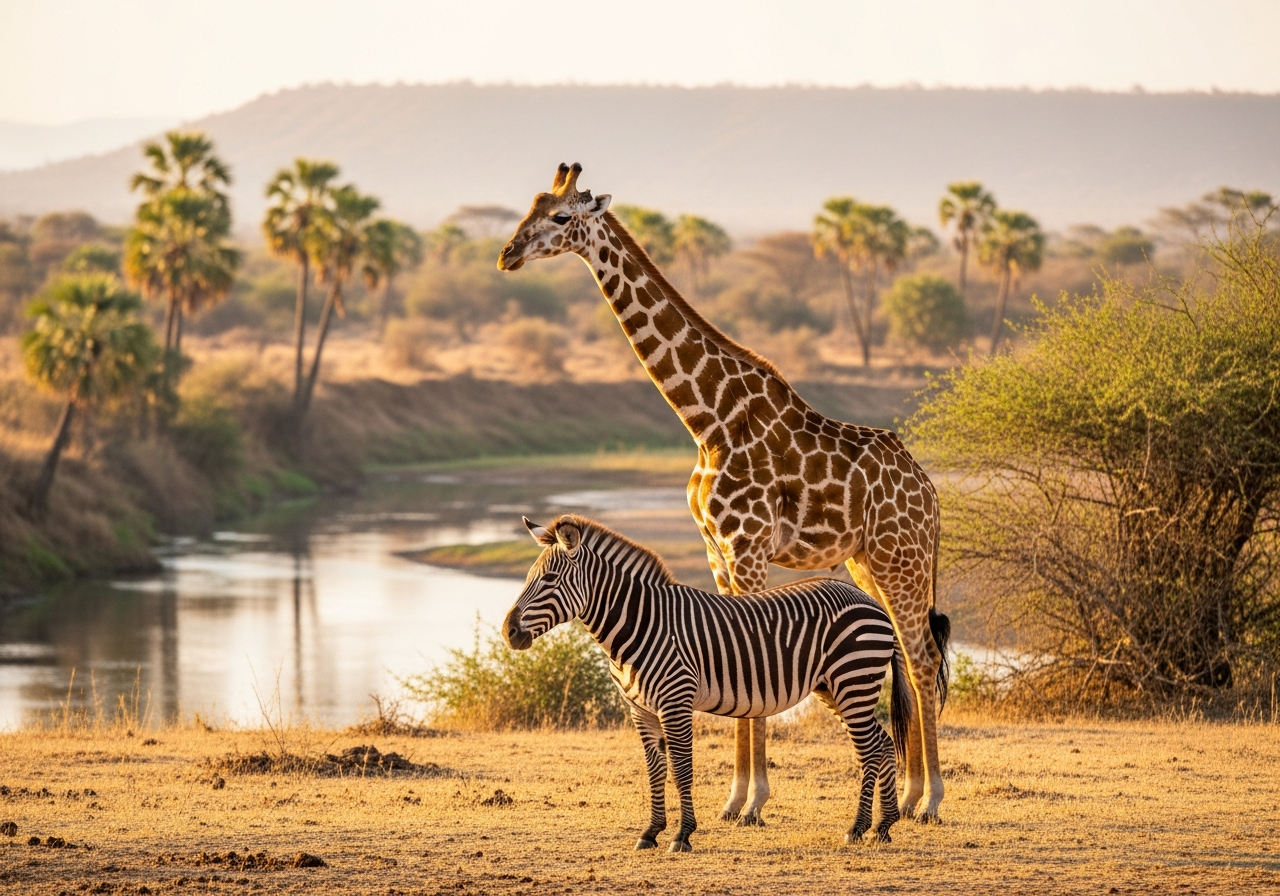
KEKenya · Masai Mara National Reserve
Five to six days is the strongest balance for most travellers. It allows time for the Mara plus one or two complementary stops such as Amboseli, Lake Nakuru or Lake Naivasha, while keeping land-only costs within a mid-range bracket.
Eight to ten days suits families, photographers and travellers adding Tsavo East National Park or Diani Beach. Slower pacing means more time at sightings, fewer very early starts after long transfer days, and better chances to adjust to the rhythm of safari life.
Overloading a short itinerary is the most common budget mistake. A safari that rushes from Amboseli to Naivasha to Nakuru to the Mara with no breathing space can cost more in fuel and fatigue than it gives back in wildlife.
A Nairobi-to-Mara private safari quote should show exactly what is included before any deposit is paid. The lowest advertised Kenya safari cost from USA searches may exclude items that materially change the final spend.
Safari vehicle, professional driver-guide, game drives, accommodation and meals as listed in the itinerary.
Park fees, conservancy fees and domestic flights should be clearly stated because they affect the total cost.
International flights, travel insurance, eTA fees, gratuities, premium drinks and optional activities.
Balloon safaris, private cultural visits, boat rides and beach extensions can be added when the budget allows.
Common inclusions in affordable Kenya safari packages are:
Common exclusions are:
Park and conservancy fees deserve special attention because they can change and may be priced separately from accommodation. Travellers should ask whether the quoted fee covers all planned game drives or only specific entries.
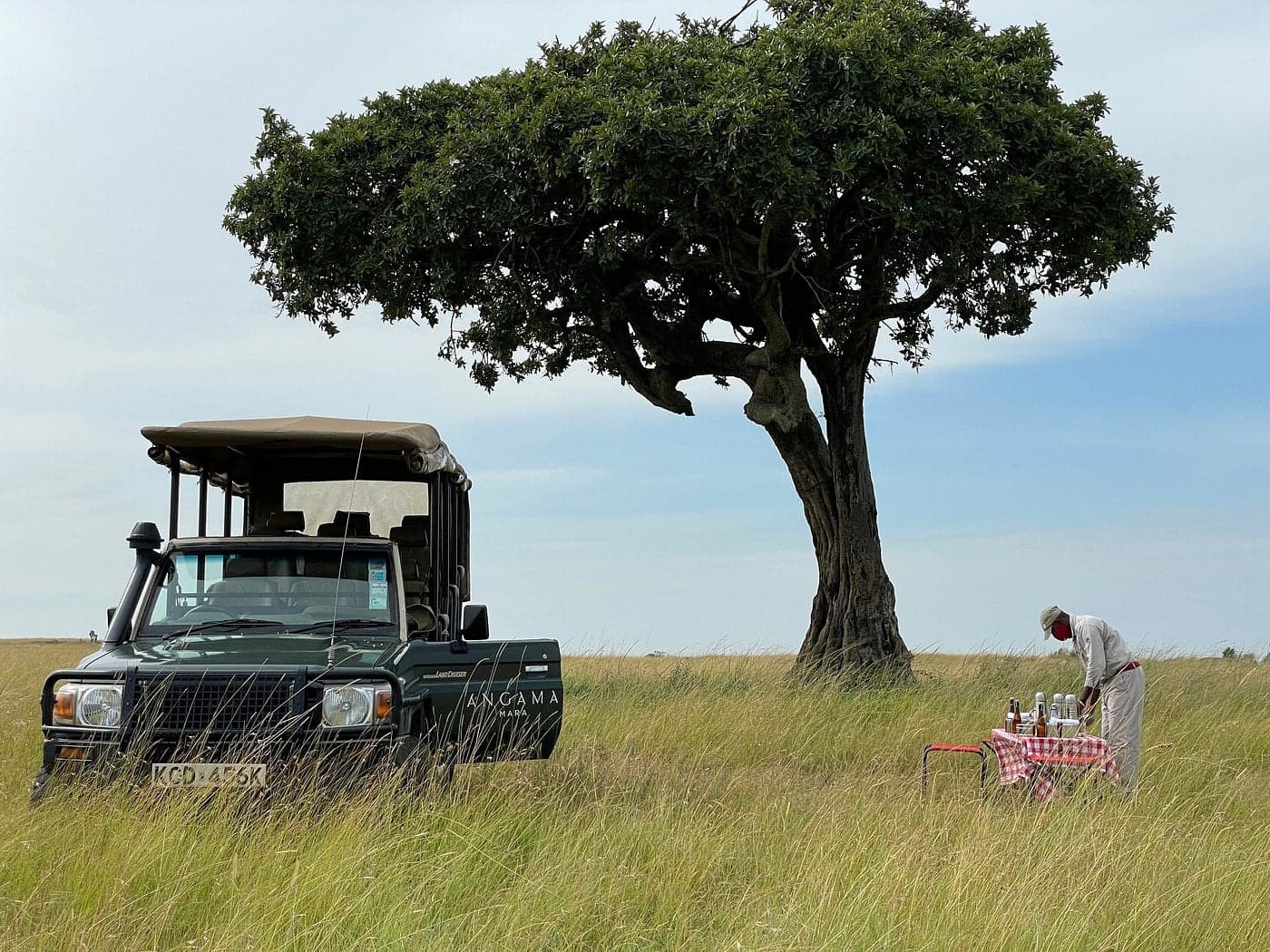
Vehicle exclusivity also matters. A private vehicle lets guests set the pace; a shared departure may reduce cost, but it can mean fixed departure times and shared sighting decisions. Meal plans should also be checked, especially in Nairobi, where bed-and-breakfast is common while safari lodges usually operate on full-board.
Jomo Kenyatta International Airport is about 15 km south-east of central Nairobi, and it is the main arrival point for US travellers starting a Kenya safari from Nairobi. Most private road safaris begin the next morning after an overnight stay in the city.
Common routing patterns include Kenya Airways’ direct New York–Nairobi service and one-stop connections through Europe, the Gulf or Addis Ababa. Travellers often compare routings via London, Amsterdam, Paris, Doha, Dubai, Istanbul or Addis Ababa depending on home airport, fare and arrival time.
US citizens need an approved Kenya electronic travel authorisation before travel, rather than relying on arrival paperwork. Passports should be checked for validity, blank pages and name consistency with flight tickets. Families travelling with children should also check documentation requirements before departure.
Health advice should be confirmed before travel, especially for yellow fever rules linked to onward travel, malaria precautions and routine vaccines. Imara’s guide to Kenya safari vaccinations gives travellers a practical starting point for pre-departure planning.
An immediate road transfer after a long-haul arrival is possible only when flight times fit safely. For most US travellers, a Nairobi arrival night is the better choice. It gives time to meet the guide, repack into safari bags, rest properly and leave early for Amboseli, Naivasha or the Mara.
Talek, Sekenani and Naivasha camps can cut costs without cutting wildlife time if the routing is planned well. Accommodation choice is the easiest place to overspend on a Kenya safari, but it is also where smart planning creates the best value.
 KE
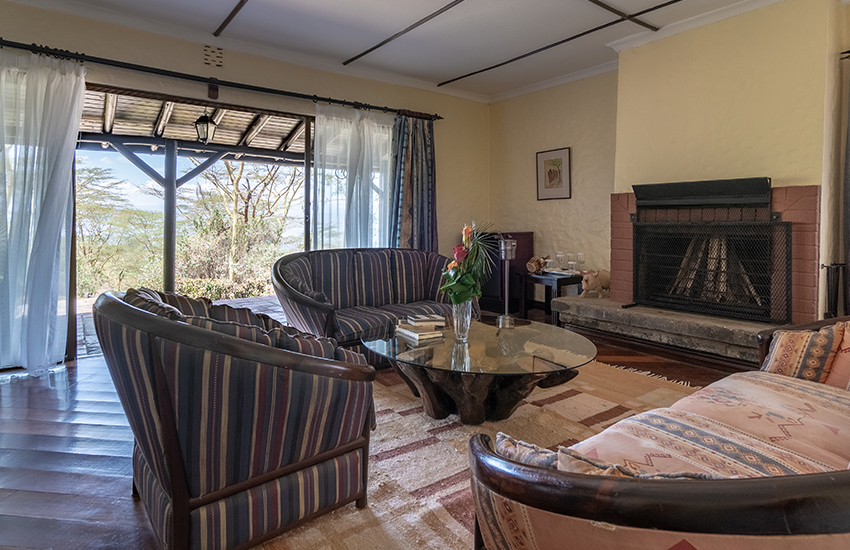
KEWhere Comfort Meets Nature's Spectacular Beauty
Lake Nakuru National Park
Best for Families
Staying just outside a reserve gate can make sense in the Mara if the camp has quick access and the itinerary includes proper game-drive hours inside the reserve. Paying more for location is worthwhile when it reduces daily transit time or gives access to better wildlife areas at the right time of day.
Full-board lodge arrangements help keep safari costs predictable. Breakfast, lunch and dinner are usually included outside Nairobi, and packed breakfasts or picnic lunches can be arranged for longer game drives.
One targeted upgrade often gives better value than upgrading every night. For example, travellers might use mid-range lodges in Amboseli, Nakuru and Naivasha, then choose a stronger Mara camp for the wildlife-heavy section of the itinerary.
Nairobi-based planning changes the quality of an affordable Kenya safari because route timing, road conditions and camp location matter as much as price. Imara Africa Safaris builds each itinerary around arrival time, season, wildlife priorities, group size and travel pace.
Imara Africa Safaris can adapt the route, season and camp style around flight times, budget and wildlife priorities.
This helps the team match arrival times, Nairobi overnights and the best-value safari season.
Vehicle sharing, family room options and camp style all shape the final per-person cost.
Big cats, elephants, rhino, migration herds or birding priorities influence the best route.
A road safari usually keeps costs down, while a strategic flight can help on longer or tighter trips.
Park fees, meals, transfers, guide services and optional activities should be clear before payment.
A family arriving late into Jomo Kenyatta International Airport may need a Nairobi night before driving to Amboseli. A couple focused on big cats may be better served by three nights in the Masai Mara and one lighter Rift Valley stop. A photographer may need fewer parks and more dawn game drives.
Vetted driver-guides are central to the experience. A good guide knows where lions were seen the previous evening, how to read elephant movement in Amboseli, when Lake Nakuru’s rhino areas are most productive, and which Mara gates make sense for a given camp.
Published trips are useful starting points, but better-value safaris come from adapting them. Travellers can adjust lodge level, add a Nairobi arrival night, include Lake Naivasha, swap Nakuru for Amboseli, or extend to Diani Beach without starting from a generic template.
For a tailored quote, share the US departure city, travel month, number of travellers, preferred safari length, rooming needs and must-see wildlife. Imara Africa Safaris can then price an affordable Kenya safari with clear inclusions, realistic road pacing and named camps that fit the budget.
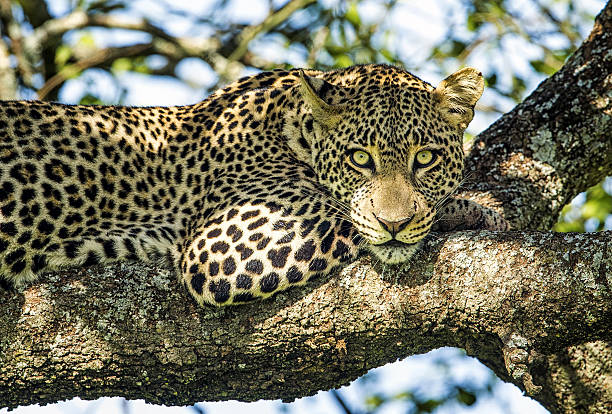 KE
KEKenya · Masai Mara National Reserve
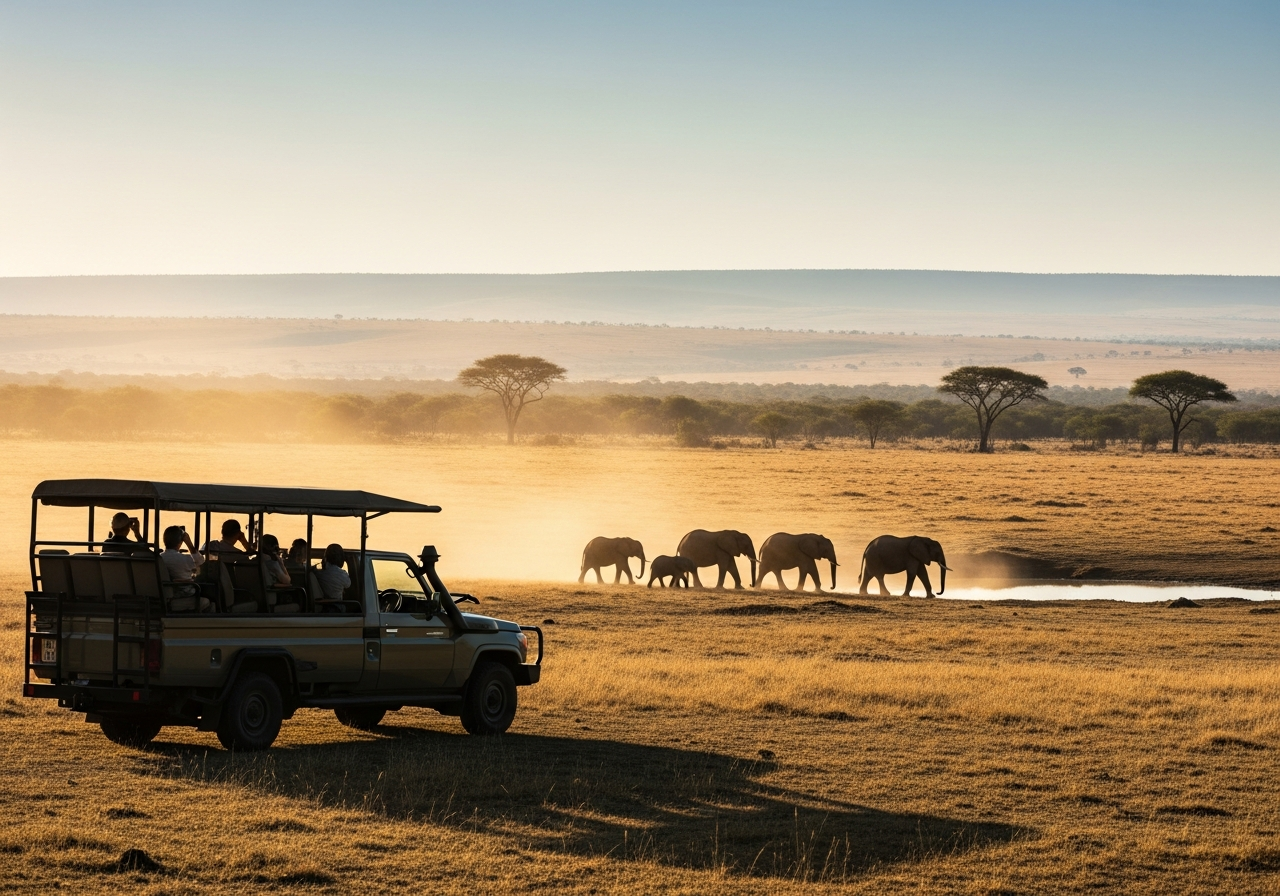 KE
KEKenya · Masai Mara National Reserve
Meet the safari team, recover from the international flight and overnight near the city or airport.
Head south-east for elephant viewing and, on clear mornings or evenings, Mount Kilimanjaro views.
Spend a full safari day with elephants, plains game, raptors and wetland birdlife.
Travel via Nairobi or the escarpment route towards Lake Naivasha or Lake Nakuru, depending on lodge choice.
Continue to the Mara for afternoon wildlife viewing, with good chances of big cats and elephant herds.
Take a final early drive if routing allows, then return to Nairobi for an evening flight or extra night.
At a glance
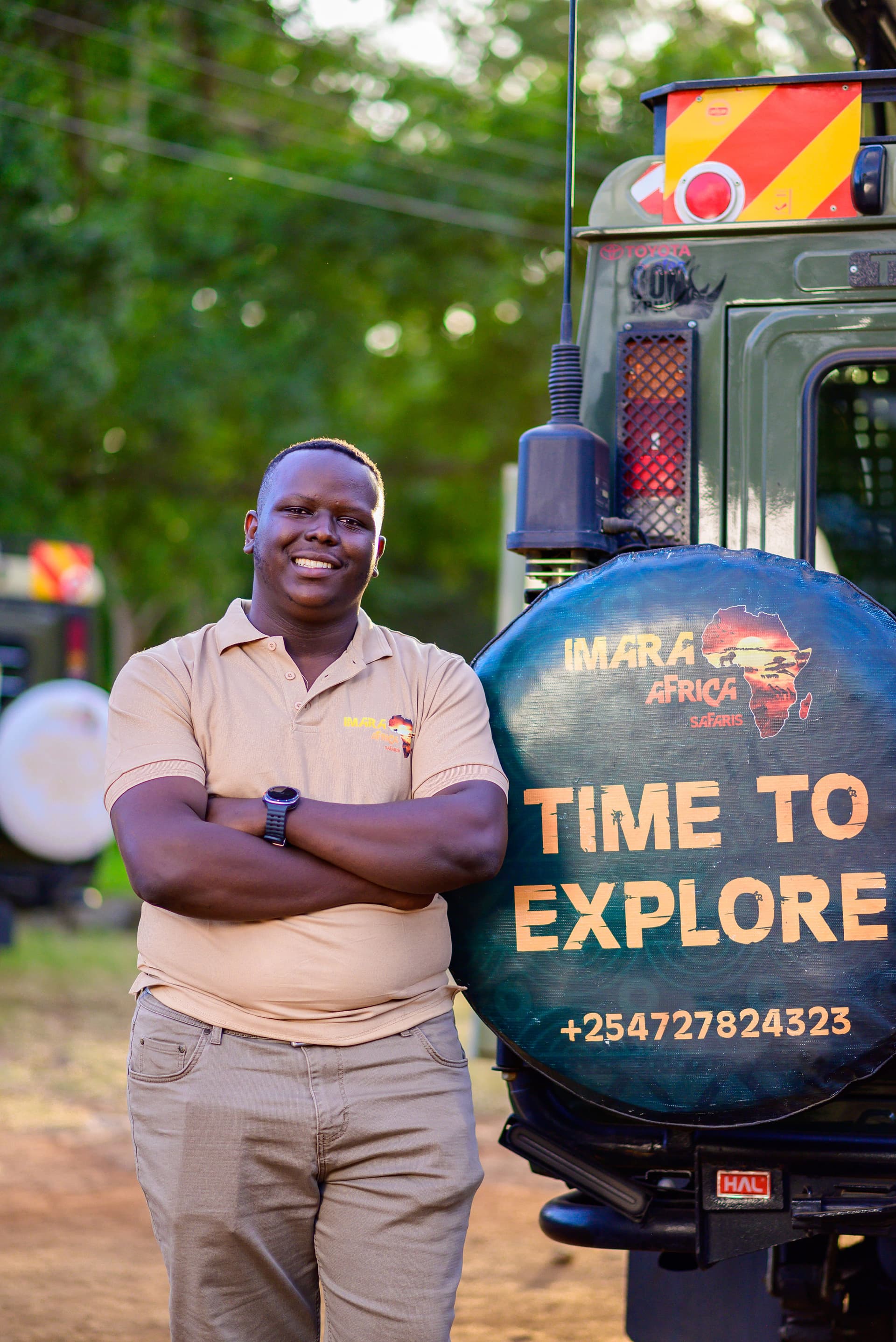
Lewis Munuhe
Founder & Director
<p>Lewis Munuhe is the Director and Owner of Imara Africa Safaris, a trusted safari company dedicated to creating tailor-made African safari experiences across Kenya, Tanzania, Uganda, and Rwanda. With a strong passion for African travel, wildlife, culture, and conservation, Lewis leads the company’s vision of delivering personalized, seamless, and unforgettable safari journeys for travelers from around the world.</p><p>Through Imara Africa Safaris, Lewis helps guests discover East Africa’s most iconic destinations, from the Masai Mara and Serengeti to Uganda and Rwanda’s gorilla trekking regions. His approach focuses on understanding each traveler’s interests, comfort level, budget, and expectations, then transforming those details into carefully curated safari itineraries that feel personal, meaningful, and well-planned.</p><p>As Director and Owner, Lewis is committed to maintaining high standards in safari planning, guest care, destination expertise, and responsible tourism. Whether arranging a luxury wildlife safari, honeymoon escape, family adventure, cultural journey, gorilla trekking safari, or multi-country East African itinerary, he ensures every experience reflects the quality, authenticity, and attention to detail that define Imara Africa Safaris.</p><p>Under his leadership, Imara Africa Safaris continues to help travelers experience the beauty of Africa through expertly planned safaris that celebrate wildlife, landscapes, local cultures, conservation, and unforgettable adventure.</p>
Lewis Munuhe
Founder & Director
<p>Lewis Munuhe is the Director and Owner of Imara Africa Safaris, a trusted safari company dedicated to creating tailor-made African safari experiences across Kenya, Tanzania, Uganda, and Rwanda. With a strong passion for African travel, wildlife, culture, and conservation, Lewis leads the company’s vision of delivering personalized, seamless, and unforgettable safari journeys for travelers from around the world.</p><p>Through Imara Africa Safaris, Lewis helps guests discover East Africa’s most iconic destinations, from the Masai Mara and Serengeti to Uganda and Rwanda’s gorilla trekking regions. His approach focuses on understanding each traveler’s interests, comfort level, budget, and expectations, then transforming those details into carefully curated safari itineraries that feel personal, meaningful, and well-planned.</p><p>As Director and Owner, Lewis is committed to maintaining high standards in safari planning, guest care, destination expertise, and responsible tourism. Whether arranging a luxury wildlife safari, honeymoon escape, family adventure, cultural journey, gorilla trekking safari, or multi-country East African itinerary, he ensures every experience reflects the quality, authenticity, and attention to detail that define Imara Africa Safaris.</p><p>Under his leadership, Imara Africa Safaris continues to help travelers experience the beauty of Africa through expertly planned safaris that celebrate wildlife, landscapes, local cultures, conservation, and unforgettable adventure.</p>
Lewis Munuhe
Founder & Director
<p>Lewis Munuhe is the Director and Owner of Imara Africa Safaris, a trusted safari company dedicated to creating tailor-made African safari experiences across Kenya, Tanzania, Uganda, and Rwanda. With a strong passion for African travel, wildlife, culture, and conservation, Lewis leads the company’s vision of delivering personalized, seamless, and unforgettable safari journeys for travelers from around the world.</p><p>Through Imara Africa Safaris, Lewis helps guests discover East Africa’s most iconic destinations, from the Masai Mara and Serengeti to Uganda and Rwanda’s gorilla trekking regions. His approach focuses on understanding each traveler’s interests, comfort level, budget, and expectations, then transforming those details into carefully curated safari itineraries that feel personal, meaningful, and well-planned.</p><p>As Director and Owner, Lewis is committed to maintaining high standards in safari planning, guest care, destination expertise, and responsible tourism. Whether arranging a luxury wildlife safari, honeymoon escape, family adventure, cultural journey, gorilla trekking safari, or multi-country East African itinerary, he ensures every experience reflects the quality, authenticity, and attention to detail that define Imara Africa Safaris.</p><p>Under his leadership, Imara Africa Safaris continues to help travelers experience the beauty of Africa through expertly planned safaris that celebrate wildlife, landscapes, local cultures, conservation, and unforgettable adventure.</p>
Our trips
Stories, sightings & itineraries from the field.
18°C
broken clouds
Feels like 18° · 77% humidity
🦁Right now in the bush: Quiet hours — a good time for lodge rest before dawn.


Comments
Loading…