Wie viel kostet ein Masai Mara Safari im Jahr 2026/27?
Eine Masai Mara-Safari kostet etwa 250–350 US-Dollar pro Person und Tag auf Budgetniveau, 350–600 US-Dollar im mittleren Preissegment und 700–1.500+ US-Dollar für Luxuscamps im Jahr 2026 sowie tägliche Parkgebühren von 100–200 US-Dollar.
12 min read90views
Updated Oct 9, 2026
90views
Share
Listen~12 min
In this articleTap to view 9 sectionsTap a section to jump
Die Kosten der Masai Mara Safari im Jahr 2026 liegen bei etwa 250 US-Dollar pro Person und Tag auf einer günstigen Camping-Safari bis zu mehr als 2.000 US-Dollar pro Tag in einem ultra-luxuriösen Conservancy-Camp. Die mit Abstand größte Fixkosten sind die Reserve-Eintrittsgebühr, die für nicht ansässige Erwachsene in der Hochsaison 200 US-Dollar pro Tag und in der Nebensaison 100 US-Dollar beträgt. Alles andere – Unterkunft, Transport, Begleitung und Extras – hängt vom Komfortniveau und der Zusammenstellung der Reiseroute ab. Dieser Leitfaden analysiert jede Kostenkomponente mit den tatsächlichen Zahlen für 2026, sodass ein realistisches Budget festgelegt werden kann, bevor eine Anzahlung geleistet wird.
Wie viel kostet eine Masai Mara Safari pro Tag?
Die meisten Reisenden finden es am einfachsten, pro Person und Tag ein Budget einzuplanen, da fast jeder angebotene Safaripreis Parkgebühren, Vollbordunterkunft, Safari-Fahrten und Transport in einer einzigen Summe zusammenfasst. Am erschwinglichen Ende kosten günstige Camping- und Kleingruppensafaris typischerweise etwa 250–350 US-Dollar pro Person und Tag, wobei gemeinsame Fahrzeuge und einfache Zeltcamps vor den Toren des Reservats genutzt werden. Midrange Lodge-Safaris – die beliebteste Kategorie – kosten etwa 350–600 US-Dollar pro Tag, mit Badzimmern oder komfortablen Zelten, einem eigenen Guide und besser gelegenen Unterkünften.
Safari style
Typical cost per person per day (2026)
What that buys
Best suited to
Budget camping / group safari
US$250–350
Shared 4x4 or overland vehicle, dome tents or basic bandas outside the reserve, set-menu meals, scheduled group game drives.
Backpackers, students and travellers who prioritise wildlife over comfort.
Midrange lodge safari
US$350–600
En-suite lodge rooms or comfortable tented camps, full board, a dedicated guide and vehicle, park fees included.
First-time safari-goers, couples and families wanting comfort without luxury pricing.
Luxury tented camp
US$700–1,500+
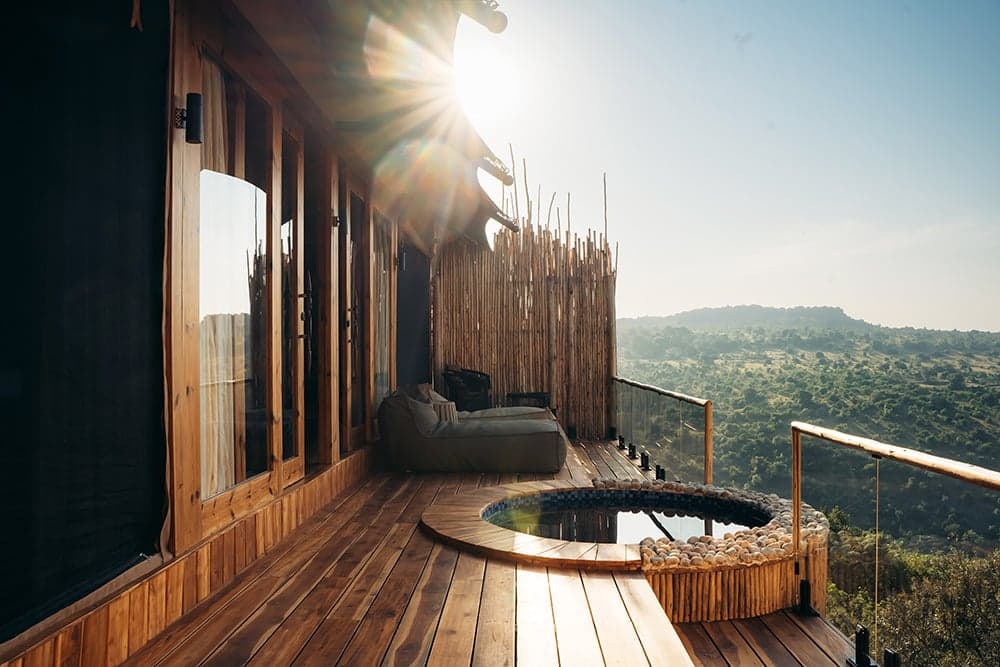
Premium camps inside or bordering the reserve, small guest numbers, superior guiding, often with sundowners and bush meals included.
Honeymooners, photographers and travellers marking a special occasion.
Ultra-luxury conservancy camp
US$2,000+
Exclusive conservancy access with low vehicle density, off-road driving, night drives, walking safaris and near all-inclusive service.
Repeat safari travellers and guests seeking privacy and exclusivity.
Indikative Gesamtkosten für Masai Mara Safari pro Person und Tag, basierend auf dem Preis für 2026.
Luxuscamps kosten 700–1.500+ US-Dollar pro Person und Tag, und die privaten Schutzgebieten rund um das Reservat überschreiten 2.000 US-Dollar für ihre exklusivsten Immobilien. Was eine Reise innerhalb dieser Bands nach oben oder unten bewegt, ist vor allem die Lage – ein Camp im Reservat oder auf einem privaten Schutzgebiet kostet mehr als einen in der Nähe der Tore – sowie Fahrzeugexklusivität, Gruppengröße und Reisezeit. Alleinreisende sollten auch für Einzelzulagen einplanen, die die meisten Camps außerhalb der Nebensaison anlegen.
Was kosten die Parkgebühren des Masai Mara im Jahr 2026?
Die Eintrittsgebühren für das Masai Mara National Reserve wurden in der Gebührenrevision 2024 umstrukturiert und bleiben die höchsten Fixkosten in jedem Mara-Budget. Nichtansässige Erwachsene zahlen während der Hochsaison, die von Juli bis Dezember läuft, 200 US-Dollar pro Person und Tag und während der Nebensaison von Januar bis Juni 100 US-Dollar pro Tag. Kinder zahlen ungefähr die Hälfte des Erwachsenentarifs. Bei einer dreitägigen Hochsaisonsafari machen allein die Parkgebühren somit 600 US-Dollar der Reisekosten für Erwachsene aus, bevor eine einzige Unterkunft hinzugefügt wird.
Seriöse Betreiber enthalten Parkgebühren in ihren Paketpreisen, aber dies sollte immer schriftlich bestätigt werden, denn ein Angebot ohne Gebühren kann mehrere hundert Dollar günstiger erscheinen, als es tatsächlich ist. Beachten Sie, dass Aufenthalte auf den privaten Conservancys neben dem Reservat separate Conservancy-Gebühren anstelle von Reserve-Eintrittsgebühren erheben, die fast immer in den nächtlichen Tarif der Conservancy Camps eingebettet werden.
At a glance
Masai Mara-Kosten auf einen Blick (2026)
Hochsaisonparkgebühr (Juli–Dez)
US$200 per non-resident adult per day
Niedrigsaisonparkgebühr (Jan–Juni)
US$100 per non-resident adult per day
Kinderparkgebühr
Roughly half the adult rate
Budget-Safari-Tageskosten
About US$250–350 per person, all in
Tageskosten des Luxuscamps
US$700–1,500+, with top conservancy camps above US$2,000
plane
Logistik Nairobi–Mara
About 45 minutes by air; 5–6 hours by road (240–270 km)
Wofür zahlt ein Masai Mara Safari eigentlich?
Zu verstehen, wohin das Geld fließt, macht es viel einfacher, Angebote fair zu vergleichen. Zwei Reiserouten mit identischen Preisen können das Budget sehr unterschiedlich aufteilen – eine zahlt mehr für ein Camp im Reservat, das andere für ein Privatfahrzeug und einen längeren Aufenthalt. Dies sind die fünf Komponenten hinter fast jedem Mara-Angebot.
Cost component
Typical figure or share
What to check
Park or conservancy fees
US$100–200 per adult per day for the reserve; conservancy fees vary by conservancy and are usually bundled into camp rates.
Confirm fees are included in the quote and priced for the correct season.
Accommodation and meals
The largest share of most budgets — from simple full-board camping to all-inclusive luxury tents.
Whether drinks, laundry and camp activities are included at the quoted rate.
Transport
Road transfers from Nairobi (5–6 hours each way) cost far less than return light-aircraft flights (about 45 minutes each way).
Vehicle type, whether the vehicle stays with the group for game drives, and luggage limits on flights.
Guiding and game drives
A professional driver-guide and 4x4 are built into package prices; private vehicles carry a supplement.
Shared versus private vehicle, and how many game drives per day are included.
Extras and discretionary spend
Hot-air balloon flights, tips for guides and camp staff, premium drinks, visas and travel insurance sit outside most packages.
Which extras matter to the trip, and what the operator recommends budgeting for them.
Die fünf Bestandteile, die eine Masai Mara Safari ausmachen, sind teuer.
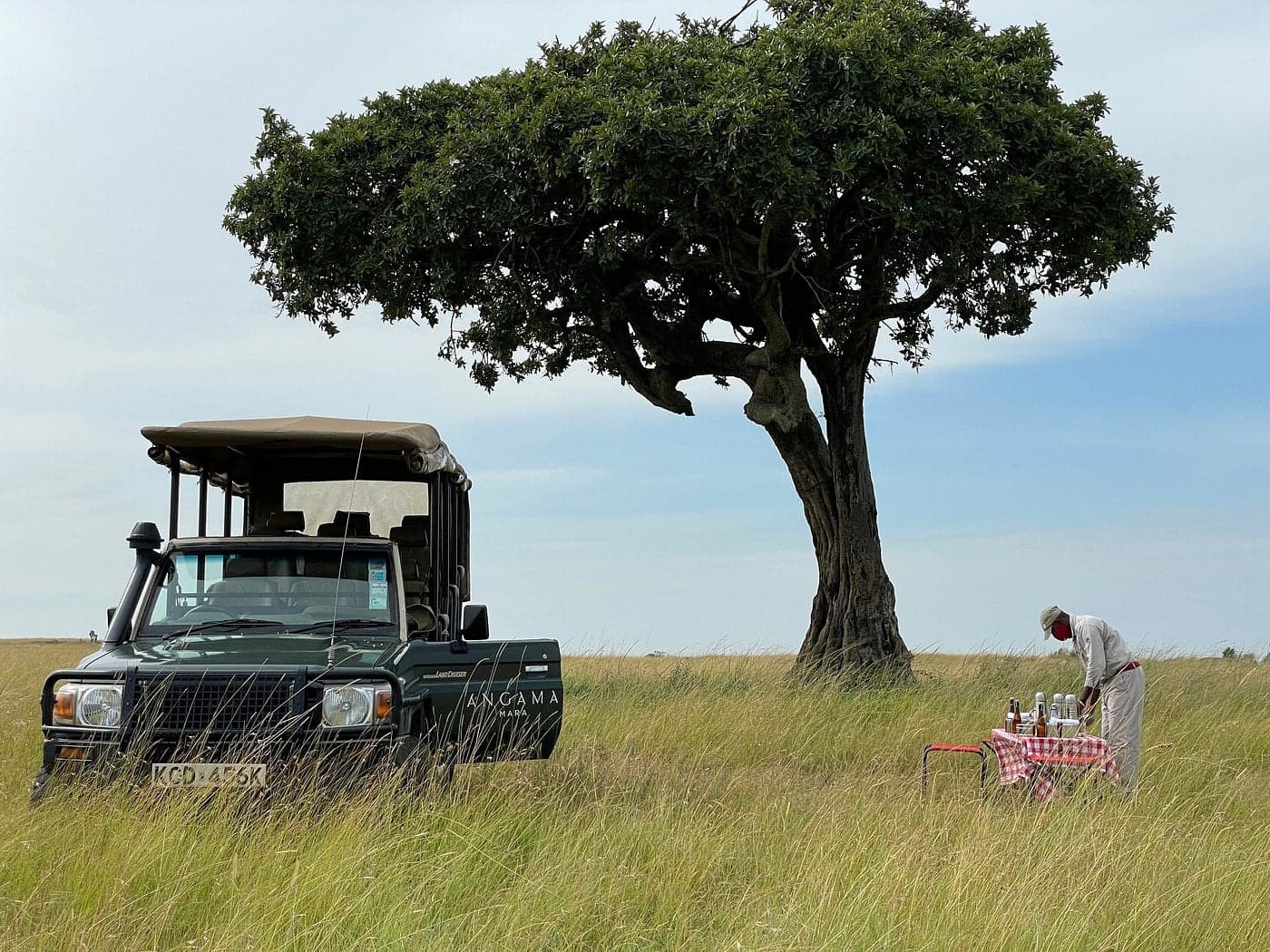
Die Komparsen verdienen ehrliche Aufmerksamkeit in der Planungsphase. Eine Sonnenaufgangs-Ballonsafari über die Ebenen gehört zu den typischen Erlebnissen der Mara, ist aber fast nie in den Paketpreisen enthalten, und Trinkgelder für Führer und Campingpersonal sind eine übliche Ausgabe, die Reisende von Anfang an berücksichtigen sollten, anstatt sie beim Checkout zu entdecken.
Fahrzeugtyp und Exklusivität gehören zu den größten Variablen für die Gesamtkosten der Masai Mara Safari.
Wie viel kostet eine dreitägige Masai Mara-Safari?
Drei Tage sind die beliebteste Mara-Dauer, und die Rechnung ist unkompliziert. Eine günstige Straßensafari mit 250–350 US-Dollar pro Tag entspricht etwa 750–1.050 US-Dollar pro Person, während eine mittlere Version zwischen etwa 1.050 und 1.800 US-Dollar liegt. Für Reisende, die die lange Fahrt ganz überspringen möchten, kostet Imaras 3-tägige Maasai Mara Safari aus Nairobi bei 1.850 US-Dollar pro Person, wobei Hinflug, Parkgebühren, Vollbordunterkünfte und Safaris in einem Preis vereint sind.
Rücktransport aus Nairobi – gemeinsamer Straßentransfer auf günstigen Reisen, Leichtflugzeugflüge mit Fly-in-Paketen.
Reservieren Sie die Eintrittsgebühren für jeden Tag, zum richtigen saisonalen Preis.
Zwei Nächte mit Vollverpflegung entsprachen dem gewählten Komfortniveau.
Tägliche Safari-Fahrten mit einem professionellen Fahrerführer in einem safari-konfigurierten 4x4.
Flaschenwasser auf Fahrten; Premium-Getränke, Ballonflüge und Trinkgelder sind meist extra.
Ist eine Safari-Flüge den Aufpreis wert?
Der Flug Nairobi–Mara dauert etwa 45 Minuten vom Wilson Airport bis zu den Flugplätzen des Reservats. Der entsprechende Straßentransfer umfasst 240–270 km und dauert 5–6 Stunden pro Strecke, wobei der letzte Abschnitt auf einem rauen, gewellten Gleis verläuft. Bei einer dreitägigen Reiseroute kann die Wahl der Straßenwahl den Großteil von zwei Spieltagen auf dem Weg in Anspruch nehmen; Flying wandelt diese Zeit in morgendliche und nachmittägliche Game Drives an Ankunfts- und Abflugtagen um.
Ob sich die Prämie lohnt, hängt von der Reiselänge ab. Bei Safaris von fünf Tagen oder länger macht der Straßentransfer nur einen geringeren Bruchteil der Gesamtzeit, und ein guter Fahrerführer macht den Abstieg ins Rift Valley Teil des Erlebnisses. Auf kurzen Reisen verschiebt sich die Berechnung entschieden hin zum Fliegen – insbesondere für Reisende mit begrenztem Jahresurlaub, Familien mit kleinen Kindern und alle, die auf unebenen Straßen zu Bewegungsunkomfort neigen.
“
“Beim letzten Preisvergleich, den ich gemacht habe, sparte die Straßengruppe ein paar hundert Dollar, verbrachte aber elf Stunden ihrer dreitägigen Safari auf der Autobahn. Die Fly-in-Gäste fotografierten am ersten Tag bereits am Vormittag Löwen entlang des Talek. Entscheiden Sie, wie viele Stunden Ihre Stunden im Mara wert sind, bevor Sie die Flugkosten feststellen.”
Der leitende Safari-Spezialist von Imara Africa Safari
Wie verändern längere Kenia-Reisepläne die Kosten?
Das Hinzufügen von Tagen senkt in der Regel die Kosten pro Tag, da feste Ausgaben wie Transfers über eine längere Reise verteilt sind. Eine fünftägige mittlere Safari in Kenia kombiniert die Mara mit einem Rift-Valley-See, hält die täglichen Kosten im mittleren Bereich und fügt ein zweites Ökosystem hinzu. Straßenbasierte Multi-Park-Strecken erweitern den Mehrwert: Eine 8-tägige Safari in Kenia über Amboseli, Lake Naivasha, Lake Nakuru und Masai Mara teilt sich ein Fahrzeug und einen Guide an vier Zielen, was stets die kosteneffizienteste Möglichkeit ist, mehr von Kenia zu sehen.
Eine Warnung: Mehrpark-Routen erheben Eintrittsgebühren für jeden besuchten Park, und diese Gebühren unterscheiden sich von denen der Mara. Beim Vergleich eines Langstreckenkreises mit einem reinen Mara-Aufenthalt bitten Sie den Betreiber um eine Line-Post-Ansicht der Parkgebühren, damit der Vergleich wirklich gleichwertig ist.
Wann ist die günstigste Zeit für eine Masai Mara-Safari?
Januar bis Juni ist die strukturell günstigere Hälfte des Jahres, da die Parkgebühr für Nichtansässige auf 100 US-Dollar pro Erwachsener und Tag sinkt – die Hälfte des Tarifs von Juli bis Dezember. Viele Lodges und Camps veröffentlichen zudem niedrigere Grünzeitenpreise zwischen März und Mai, wenn die langen Regenfälle die Nachfrage verringern. Die Tierbeobachtung bleibt außerhalb des Zugzeitraums wirklich gut: Die Populationen von Maras Löwen, Geparden, Leoparden und Elefanten sind das ganze Jahr über ansässig. Für einen monatlichen Überblick über die Bedingungen siehe den Leitfaden zur besten Zeit für eine Safari-Reise in Kenia.
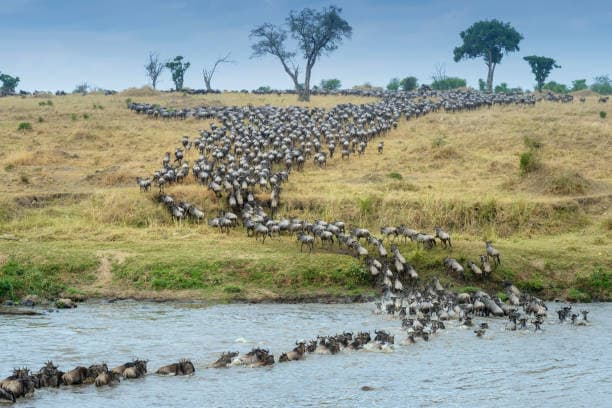
Die teuerste Zeit ist von Juli bis Oktober, wenn die Große Migration die Spitzennachfrage erzeugt, sowie die Festwochen im Dezember. Reisende, die Flussüberquerungen sehen wollen, sollten sowohl die tägliche Parkgebühr von 200 US-Dollar als auch die Spitzenunterkunftspreise zahlen und sechs bis zwölf Monate im Voraus für die bestgelegenen Camps buchen.
Optionale Extras wie ein Sonnenaufgangsballonflug sind bei den meisten Masai Mara-Paketpreisen nicht verfügbar.
Wie können Sie die Kosten senken, ohne die Safari zu verderben?
Das Ziel eines Smart Safari-Budgets ist nicht, alles zu kürzen, sondern dort zu kürzen, wo das Erlebnis unbeeinträchtigt bleibt. Dies sind die Einsparungen, die erfahrene Mara-Reisende nutzen, grob nach Wirkung eingestuft.
Reisen in der Nebensaison (Januar–Juni): Die Parkgebühr halbiert sich auf 100 US-Dollar pro Tag und die Lodge-Preise werden gesenkt, mit den größten Rabatten in der Grünsaison März–Mai.
Nehmen Sie an einer kleinen Gruppe teil: Das Teilen eines Fahrzeugs und eines Führers ist die größte Ersparnis bei Straßensafaris, ohne zu verändern, was auf einer Safari-Tour zu sehen ist.
Bleiben Sie direkt außerhalb des Reservats: Lager in der Nähe der Tore kosten deutlich weniger als die drinnen, im Austausch für eine kurze Fahrt zum Eingang jeden Morgen.
Wähle auf längeren Reisen eine Road-Safari statt einen Fly-in: Sobald eine Reiseroute fünf oder mehr Tage erreicht, sorgt der Flugprämie für eine anteilig geringere Spielzeit.
Buchen Sie direkt bei einem lokalen Betreiber: In Nairobi ansässige Unternehmen berechnen Preise ohne die Marge, die ausländische Wiederverkäufer noch hinzufügen.
Was nicht gekürzt werden sollte, ist die Steuerung der Qualität oder der Zeit im Reservat. Eine günstige Safari mit einem schlechten Guide und einer einzigen überhasteten Safari-Fahrt ist schlechter wert als eine etwas teurere, die die Grundlagen richtig macht. Für Reiserouten, die genau auf dieses Gleichgewicht ausgerichtet sind, sehen Sie sich Imaras Überblick über erschwingliche Safari-Pakete in Kenia an.
Masai Mara Safari Kosten FAQs
Eine 3-tägige Budget-Straßensafari kostet etwa 750–1.050 US-Dollar pro Person, eine Mittelklasse-Version etwa 1.050–1.800 US-Dollar, und ein Fly-in-Paket wie Imaras 3-Tage-Fly-in-Safari beginnt bei etwa 1.850 US-Dollar pro Person, einschließlich Flüge, Parkgebühren, Vollboard-Unterkünfte und Safari-Fahrten.
Nichtansässige Erwachsene zahlen in der Hochsaison (Juli bis Dezember) 200 US-Dollar pro Person und Tag 200 US-Dollar und in der Nebensaison (Januar bis Juni) 100 US-Dollar pro Tag, gemäß der in der Revision 2024 eingeführten Gebührenstruktur. Kinder zahlen etwa die Hälfte des Erwachsenentarifs, und die Gebühren sind in der Regel in den Paketpreisen enthalten.
Seriöse Betreiber enthalten in ihren angebotenen Paketpreisen Reserve-Eintrittsgebühren, sollten dies jedoch immer schriftlich bestätigt werden. Ein Angebot, das Gebühren ausschließt, kann mehrere hundert Dollar günstiger erscheinen als ein wirklich vergleichbares, da die Gebühren allein auf einer dreitägigen Hochsaisonreise pro Erwachsener 600 US-Dollar betragen.
Bei kurzen Fahrten von etwa drei Tagen in der Regel ja: Der Flug dauert etwa 45 Minuten pro Strecke, während der 240–270 km lange Straßentransfer 5–6 Stunden dauert, sodass der Flug den Großteil eines Transittages in eine Game-Drive-Zeit umwandelt. Bei Reiserouten von fünf Tagen oder länger wird die Straßenoption besser preiswert.
Januar bis Juni ist die günstigste Zeit, da sich die tägliche Parkgebühr auf 100 US-Dollar halbiert und viele Camps niedrigere Preise anbieten, besonders während der März–Mai-Grünsaison. Juli bis Oktober, das Spitzenzugsfenster und die festlichen Dezemberwochen sind die teuersten Zeiten zum Besuch.
Holen Sie sich ein genaues Masai Mara-Safari-Angebot für Ihre Dates
Das Nairobi-Team von Imara Africa Safaris beschreibt Straßen- und Fly-in-Routen mit Parkgebühren, Unterkunft und Transfers aufgelistet, sodass das Budget klar ist, bevor Sie sich festlegen.
<p>Lewis Munuhe is the Director and Owner of Imara Africa Safaris, a trusted safari company dedicated to creating tailor-made African safari experiences across Kenya, Tanzania, Uganda, and Rwanda. With a strong passion for African travel, wildlife, culture, and conservation, Lewis leads the company’s vision of delivering personalized, seamless, and unforgettable safari journeys for travelers from around the world.</p><p>Through Imara Africa Safaris, Lewis helps guests discover East Africa’s most iconic destinations, from the Masai Mara and Serengeti to Uganda and Rwanda’s gorilla trekking regions. His approach focuses on understanding each traveler’s interests, comfort level, budget, and expectations, then transforming those details into carefully curated safari itineraries that feel personal, meaningful, and well-planned.</p><p>As Director and Owner, Lewis is committed to maintaining high standards in safari planning, guest care, destination expertise, and responsible tourism. Whether arranging a luxury wildlife safari, honeymoon escape, family adventure, cultural journey, gorilla trekking safari, or multi-country East African itinerary, he ensures every experience reflects the quality, authenticity, and attention to detail that define Imara Africa Safaris.</p><p>Under his leadership, Imara Africa Safaris continues to help travelers experience the beauty of Africa through expertly planned safaris that celebrate wildlife, landscapes, local cultures, conservation, and unforgettable adventure.</p>
<p>Lewis Munuhe is the Director and Owner of Imara Africa Safaris, a trusted safari company dedicated to creating tailor-made African safari experiences across Kenya, Tanzania, Uganda, and Rwanda. With a strong passion for African travel, wildlife, culture, and conservation, Lewis leads the company’s vision of delivering personalized, seamless, and unforgettable safari journeys for travelers from around the world.</p><p>Through Imara Africa Safaris, Lewis helps guests discover East Africa’s most iconic destinations, from the Masai Mara and Serengeti to Uganda and Rwanda’s gorilla trekking regions. His approach focuses on understanding each traveler’s interests, comfort level, budget, and expectations, then transforming those details into carefully curated safari itineraries that feel personal, meaningful, and well-planned.</p><p>As Director and Owner, Lewis is committed to maintaining high standards in safari planning, guest care, destination expertise, and responsible tourism. Whether arranging a luxury wildlife safari, honeymoon escape, family adventure, cultural journey, gorilla trekking safari, or multi-country East African itinerary, he ensures every experience reflects the quality, authenticity, and attention to detail that define Imara Africa Safaris.</p><p>Under his leadership, Imara Africa Safaris continues to help travelers experience the beauty of Africa through expertly planned safaris that celebrate wildlife, landscapes, local cultures, conservation, and unforgettable adventure.</p>
<p>Lewis Munuhe is the Director and Owner of Imara Africa Safaris, a trusted safari company dedicated to creating tailor-made African safari experiences across Kenya, Tanzania, Uganda, and Rwanda. With a strong passion for African travel, wildlife, culture, and conservation, Lewis leads the company’s vision of delivering personalized, seamless, and unforgettable safari journeys for travelers from around the world.</p><p>Through Imara Africa Safaris, Lewis helps guests discover East Africa’s most iconic destinations, from the Masai Mara and Serengeti to Uganda and Rwanda’s gorilla trekking regions. His approach focuses on understanding each traveler’s interests, comfort level, budget, and expectations, then transforming those details into carefully curated safari itineraries that feel personal, meaningful, and well-planned.</p><p>As Director and Owner, Lewis is committed to maintaining high standards in safari planning, guest care, destination expertise, and responsible tourism. Whether arranging a luxury wildlife safari, honeymoon escape, family adventure, cultural journey, gorilla trekking safari, or multi-country East African itinerary, he ensures every experience reflects the quality, authenticity, and attention to detail that define Imara Africa Safaris.</p><p>Under his leadership, Imara Africa Safaris continues to help travelers experience the beauty of Africa through expertly planned safaris that celebrate wildlife, landscapes, local cultures, conservation, and unforgettable adventure.</p>




Comments
Loading…