Imara Africa Safaris
Wild · Remote · Untamed

Africa's Wilderness Safaris

Trade the crowds for true wilderness. These East Africa safaris take you deep into the wildest, least-developed corners of Kenya and Tanzania — vast private conservancies, remote national parks and walking country where the only tracks are the ones the animals make.

Kenya & Tanzania WildernessWalking SafarisFly-Camping & Mobile CampsExpert Wilderness Guides

What is a wilderness safari and where can you do one in East Africa?

A wilderness safari takes you into the wildest, least-visited protected areas of East Africa — remote private conservancies, vast national parks and concessions where vehicle numbers are strictly limited and you can explore on foot, fly-camp and sleep under the stars. The finest are in Kenya — Laikipia's conservancies (Lewa, Ol Pejeta, Borana, Loisaba), the Samburu northern frontier and the private Masai Mara conservancies — and in Tanzania — the southern circuit (Ruaha and Nyerere/Selous), the wild western parks (Katavi and Mahale) and the Serengeti's exclusive concessions. The pay-off is solitude, raw nature and a deeper, slower way of experiencing the bush.

2
Core wilderness countries
Kenya & Tanzania, plus extensions
On foot
Walking & fly-camping
Beyond the game-drive
Star beds
Sleep under the stars
Remote mobile camps
Low-impact
Conservation-led
Community conservancies

What makes an East Africa wilderness safari

A wilderness safari is defined less by which animals you see and more by how and where you see them. Instead of busy headline parks, you head into the genuinely remote corners of Kenya and Tanzania — private conservancies, concessions and far-flung national parks where access is controlled, camps are small and you may not see another vehicle all day. The emphasis is on immersion over ticking boxes: long unhurried game drives, guided walks, night drives, fly-camping and the freedom to follow a leopard's tracks rather than a fixed circuit.

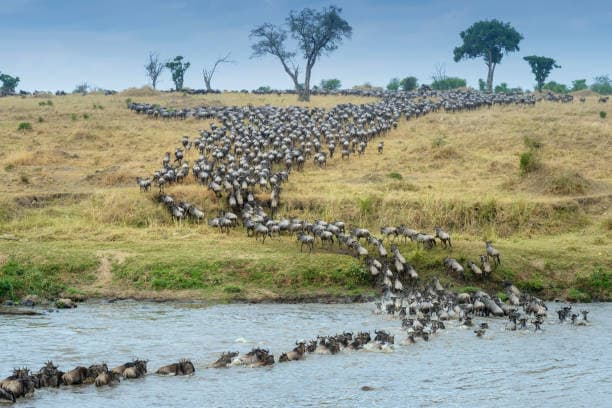
In Kenya, the wilderness story is one of conservancies. Across Laikipia and the northern rangelands, private and community conservancies — Lewa, Ol Pejeta, Borana, Loisaba, Segera and the Samburu group ranches — pool former ranch land into vast, low-density wildlife habitat with some of Africa's best rhino populations, walking, night drives and even horse and camel safaris. The private conservancies fringing the Masai Mara (Naboisho, Olare Motorogi, Mara North and others) deliver the Mara's legendary big cats and the Great Migration with a fraction of the vehicles.

In Tanzania, wilderness means sheer scale and solitude. The southern circuit — Ruaha, the country's largest national park, and Nyerere (the former Selous) with its Rufiji River boat safaris — is raw, remote and thick with lion and elephant. The western parks, Katavi and Mahale, are among the most isolated camps in Africa, the latter protecting wild chimpanzees on the shore of Lake Tanganyika. Even within the Serengeti, private concessions and the Loliondo and Ngorongoro borderlands offer walking, night drives and off-road access the central park cannot.

Wilderness travel rewards time, flexibility and a great guide. Because the camps are small and seasonal and the logistics usually involve light aircraft, these trips suit travellers who want privacy, authenticity and walking or photographic experiences — and who are happy to trade a little convenience for a genuine sense of being somewhere wild. Many guests pair Kenya and Tanzania, or add the gorilla and chimpanzee forests of Uganda and Rwanda, and we build every itinerary around the season, your pace and the experiences you care about most.

Why Go Wild

What makes a wilderness safari extraordinary

Safari on foot

Walking safaris with armed, specialist guides — a Laikipia conservancy or Ruaha riverbed — reveal tracks, plants and detail you fly past in a vehicle.

True solitude

Strict vehicle limits in Kenya's conservancies and Tanzania's southern and western parks mean a sighting, a valley or a whole horizon to yourself.

Fly-camping & mobile camps

Light, low-impact camps move with the wildlife and let you sleep deep in the bush, sometimes on a star-bed under the Milky Way.

Night drives

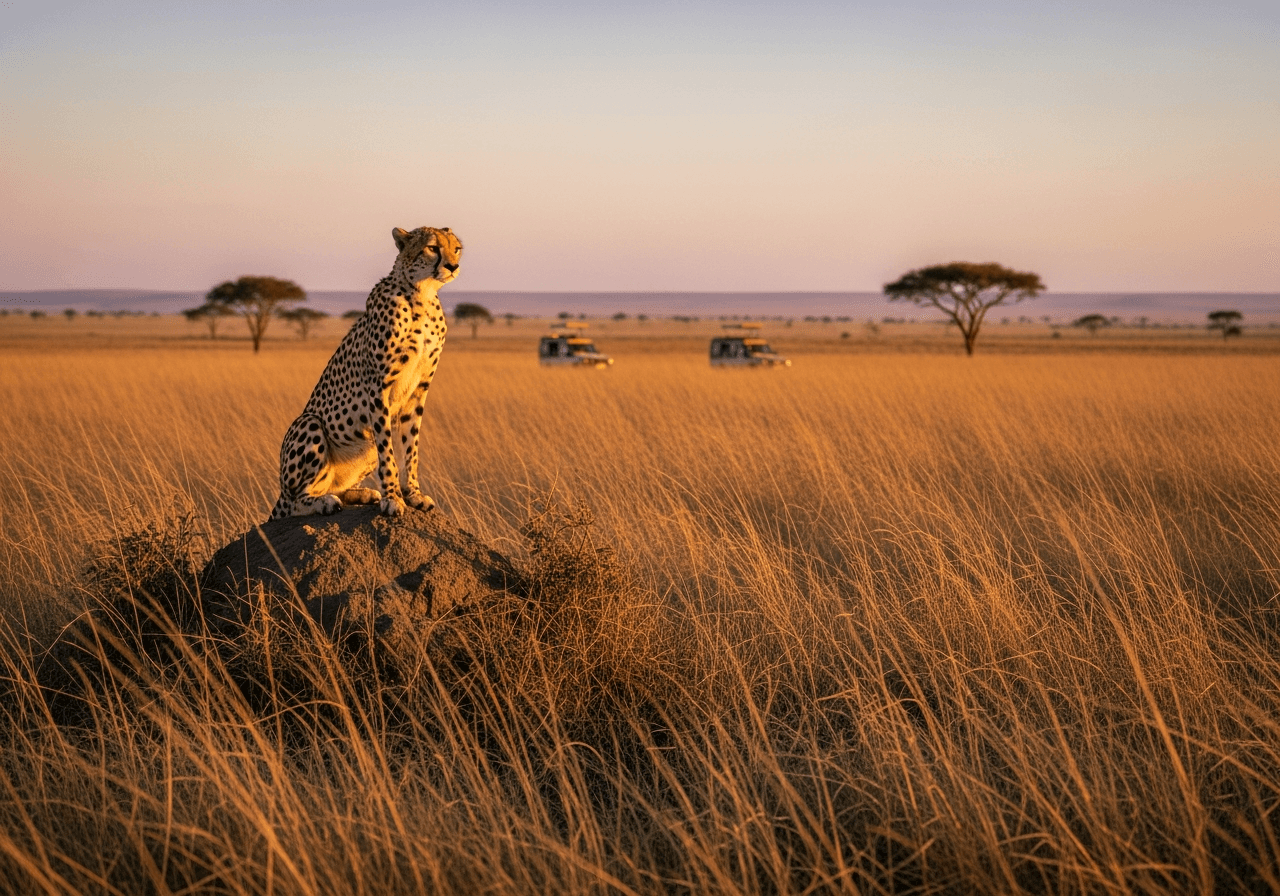
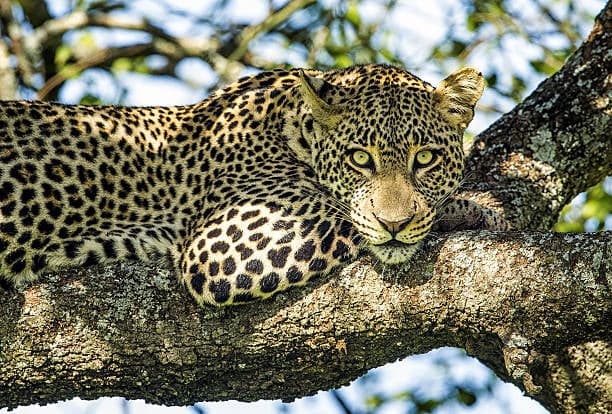
Outside national-park rules, Kenyan and Tanzanian conservancies allow after-dark drives for leopard, aardvark, bushbaby, civet and genet.

Conservation with impact

Conservancy leases and concession fees fund rhino protection, anti-poaching and local communities — your trip is why the wilderness survives.

Photographer's dream

Open vehicles, off-road freedom, golden light and no crowds make these wild areas some of the best places in East Africa to shoot.

Where to Go

East Africa's greatest wilderness areas

Kenya's conservancies and Tanzania's wild south and west. Select an area to see what makes it special and when to visit.

Laikipia Conservancies

Kenya

A mosaic of vast private and community conservancies north of Mount Kenya — Lewa, Ol Pejeta, Borana, Loisaba and Segera. Africa's rhino stronghold, with walking, riding, night drives and barely another vehicle in sight.

Exclusivity & space5/5
Walking & activities5/5
Rhino & special species5/5
Big-cat density4/5
Highlights
Black & white rhinoNight drivesHorse & camel safarisOl Pejeta & Lewa
Explore Laikipia Conservancies

When To Go

Best time for a Kenya & Tanzania wilderness safari

Timing depends on the region, but the dry months concentrate wildlife and open up the wildest areas of Kenya and Tanzania.

Jun – OctBest

Peak dry season

The prime window across Kenya and Tanzania: thin vegetation, animals at water, easy walking and reliable access to remote southern and western Tanzania. Also the Mara and Serengeti migration months.

Jan – Feb

Short dry spell

A lovely quieter window — green landscapes after the short rains, calving on the southern Serengeti plains, and excellent conditions in Laikipia and Samburu.

Mar – May

Green / long rains

Lush, dramatic and superb value, with newborn wildlife and great birding. Some remote southern and western camps close and a few tracks get muddy, so itineraries are chosen with care.

Nov – Dec

Short rains

Short, scattered afternoon showers green the bush. Good value, fewer people and very good general game viewing across the Kenyan conservancies.

Sample Trip

A 9-day Kenya & Tanzania wilderness safari

One example linking Kenya's Laikipia and Mara conservancies with Tanzania's Serengeti wilderness. Tap any day — every itinerary is fully customisable.

Day 1

Arrive Nairobi

Land in Nairobi, meet your team and overnight. We brief you on the Kenyan and Tanzanian wilderness areas ahead and the activities each one unlocks.

Recommended length: 7–12 days for a Kenya–Tanzania wilderness circuit
Customise this itinerary

What It Costs

Wilderness safari cost guide

Remote, low-density areas in Kenya and Tanzania cost more per day than busy headline parks because camps are small, access is by light aircraft and your fees fund conservation. Prices are per person per day, sharing, including activities, guiding, park/conservancy fees, accommodation and most meals.

Premium mid-range

$550–$800 / day

Characterful small camps in Kenya's conservancies and Tanzania's southern circuit, private guide and most activities included.

Luxury

$850–$1,600 / day

Top wilderness camps with walking, night drives and fly-camping, light-aircraft transfers and superb guiding.

Ultra-luxury

$1,700+ / day

Exclusive-use houses, private concessions, private guide and vehicle, and the most remote flagship camps in East Africa.

Conservancy and park fees vary by area and season. If you extend to gorilla trekking, permits are charged separately ($800 Uganda / $1,500 Rwanda). Remote camps and conservancies are limited in size and book out early — we secure the best value for your dates.

Ready-Made Itineraries

Wilderness & remote safari itineraries

Hand-crafted starting points — every itinerary is fully customisable to your dates, pace and budget.

Plan With Experts

Why plan your wilderness safari with Imara Africa Safaris

Wilderness safaris are logistically demanding — light-aircraft schedules, seasonal camps, walking and fly-camping permissions and rapidly changing access all have to line up. As a Nairobi-based, KATO bonded and TRA-licensed operator specialising in Kenya and Tanzania (and extensions to Uganda and Rwanda), we know these remote areas first-hand and choose camps and guides we have personally vetted, not names from a brochure.

We match the right wilderness to your season, fitness and interests — whether that's tracking rhino on foot in Laikipia, meeting the Samburu Special Five on the northern frontier, walking and boating in Ruaha and Nyerere, or fly-camping in the Mara and Serengeti conservancies. You travel with specialist walking and photographic guides, on honest pricing, with a 24/7 team on the ground while you're away.

First-hand knowledge of remote camps & concessions
Specialist walking, night-drive & photographic guides
Light-aircraft logistics handled end to end
Conservation- and community-led camps
KATO bonded & TRA licensed
24/7 in-country support throughout your trip
KATO Bonded Member TRA Licensed Operator 4.9/5 Traveller Rated

Curated and reviewed by the Imara Africa Safaris planning desk and senior guiding team, Nairobi, Kenya.

Wilderness Safari FAQ

Wilderness safari questions, answered

Everything travellers ask us about planning a remote, wild African safari.

A normal safari usually focuses on well-known national parks reached by road, with game drives as the main activity. A wilderness safari heads into more remote, low-density areas — private conservancies, concessions and far-flung parks — where vehicle numbers are limited and you can also walk, fly-camp, do night drives and explore at your own pace. The trade-off is a little less convenience for far more privacy, space and immersion.

Find your wild with Imara

Tell us your dates and what kind of wild you're after — walking, fly-camping, gorillas or pure solitude — and we'll craft a remote wilderness safari around it. Honest pricing, no obligation.

“Imara” means strongin Swahili. We build every safari with that same strength — expert knowledge, honest pricing, and relentless attention to detail.

Imara Africa Safaris

Ready for the trip of a lifetime?

Tell us what you're looking for and we'll build a custom itinerary — free, no obligation, within 24 hours.

Start Planning

No spam, ever. Unsubscribe anytime.

Safari AI Expert Live

Instant safari advice — 24/7

Ask me anything about safaris, destinations, wildlife or planning your trip.

Open Safari AI Expert

Chat with us

Online now

Our safari experts are ready to help you plan the perfect African adventure.