
Kenya vs Tanzania safari — which should you pick?
We run safaris in both countries, so we have no horse in this race — here is the comparison we give our own clients.
Quick answer
Both are world-class — the honest answer is that Kenya is the easier, better-value first safari, while Tanzania offers bigger, wilder landscapes at a higher price. Kenya's Masai Mara has East Africa's highest big-cat density and hosts the dramatic Mara River crossings from about July to October, with short drive times from Nairobi. Tanzania's Serengeti is roughly ten times larger, hosts a phase of the Great Migration year-round (including the January–March calving season) and pairs with the Ngorongoro Crater — but higher park fees make an equivalent trip typically 15–30% more expensive. Many travellers simply combine both.
Kenya and Tanzania, compared
Fees and costs are indicative for non-residents and change with seasons and authority reviews — your written quote itemises exact current rates.
| Factor | Kenya | Tanzania |
|---|---|---|
| Flagship park | Masai Mara National Reserve — compact, phenomenal big-cat density | Serengeti National Park — vast (about 10× the Mara), remote feel |
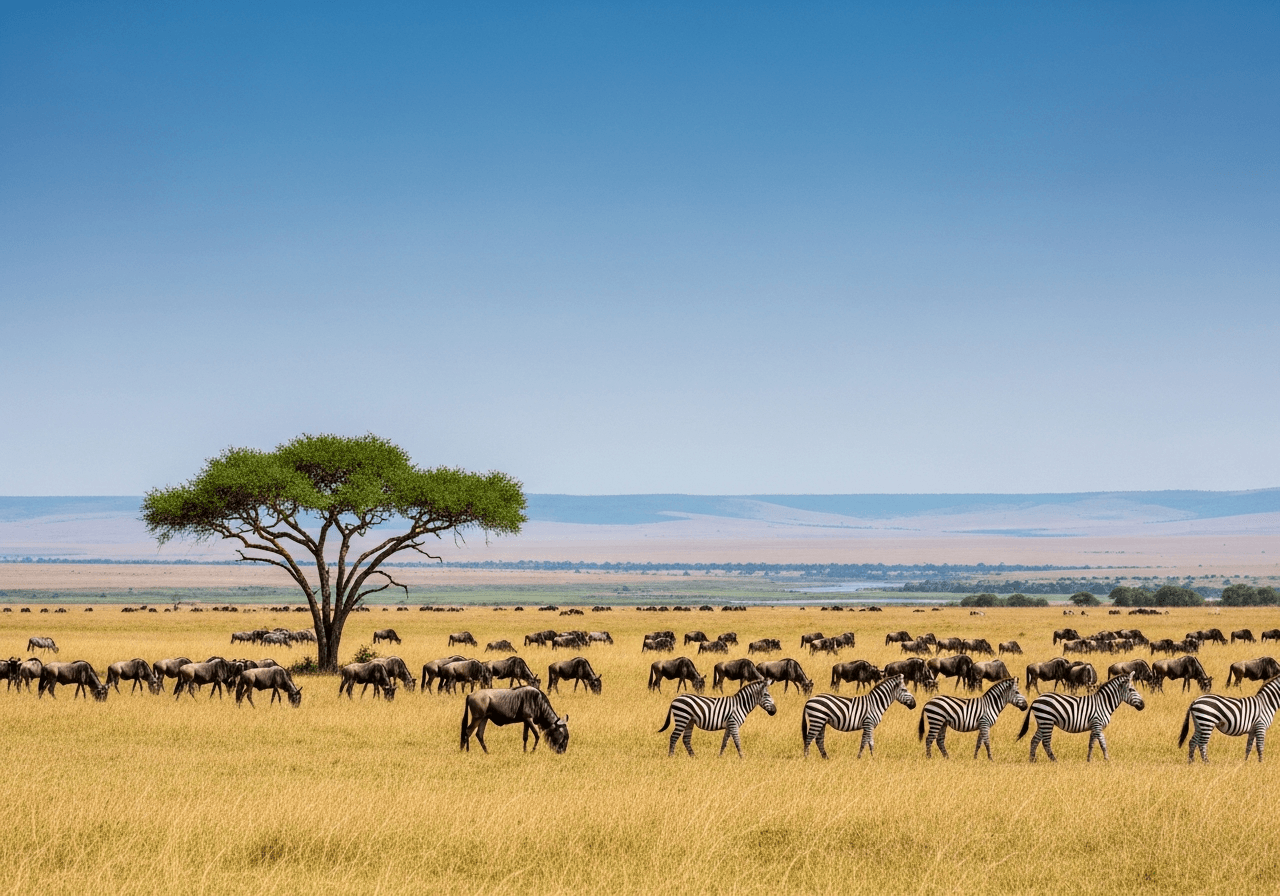
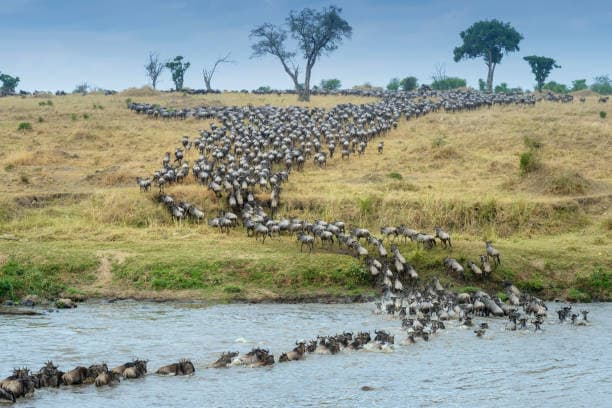
| Great Migration | Mara River crossings roughly July–October | Year-round phases: calving in the south Jan–Mar, river crossings in the north Jul–Oct |
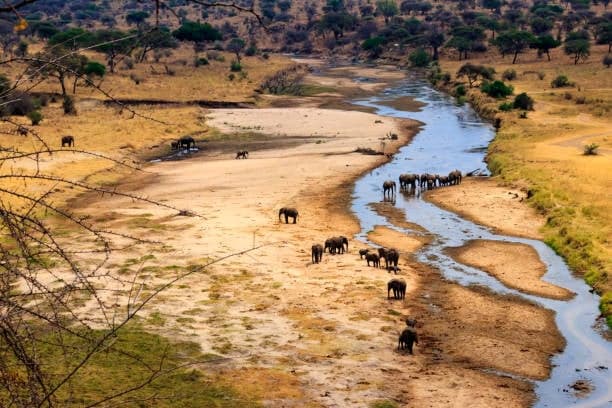
| Signature extras | Amboseli (Kilimanjaro views), Samburu's special five, Lake Nakuru rhino | Ngorongoro Crater, Tarangire elephants, southern wilderness (Nyerere, Ruaha) |
| Park fees (indicative, non-resident) | Masai Mara $100–200/day depending on season; most national parks less | Serengeti ~$70–80/day + VAT; Ngorongoro adds crater & conservation fees (~$300/vehicle) |
| Typical cost for an equivalent trip | Generally the better-value option, especially mid-range | Typically 15–30% higher, driven by park fees and longer distances |
| Getting there & around | Nairobi (JKIA) is East Africa's biggest hub; Mara is a 45-min flight or 5–6 hr drive | Kilimanjaro Airport → Arusha; northern circuit involves longer drives or light aircraft |
| Crowds | Mara crossing points get busy in peak season; conservancies solve this | Sheer size spreads vehicles out; central Serengeti busiest |
| Beach add-on | Diani Beach & Watamu — short domestic flight | Zanzibar — one of the world's great safari-beach pairings |
| Family friendliness | Shorter transfers and drive times — easiest with younger kids | Better for older kids/teens who handle longer drives |
Pick Kenya if…
- It's your first safari and you want maximum sightings per day
- You're travelling with younger children
- Budget matters — you want the best value per dollar
- You're short on time (the Mara is 45 minutes from Nairobi by air)
Pick Tanzania if…
- The Ngorongoro Crater is on your bucket list
- You want the calving season (Jan–Mar) — it only happens here
- You prefer vast, remote landscapes over convenience
- You're pairing safari with Zanzibar beaches
Combine both if…
- You have 8–10+ days
- You want the Mara AND the Serengeti + Crater in one trip
- It may be your one big African trip — do it properly
- Ask us — the border logistics are our job, not yours
Compare the parks themselves
The country choice usually comes down to specific parks — compare them side by side with live data.
Kenya vs Tanzania — questions, answered
Is Kenya or Tanzania better for a first safari?+
For most first-timers, Kenya. Nairobi is East Africa's main flight hub, transfer times are shorter, the Masai Mara delivers exceptional predator sightings in a compact area, and an equivalent itinerary usually costs less than in Tanzania. Choose Tanzania first if the Ngorongoro Crater, the calving season (January–March) or a bigger-wilderness feel matter more to you than convenience and price.
Is a safari cheaper in Kenya or Tanzania?+
Kenya is usually cheaper for an equivalent trip — typically by 15–30%. Tanzania's park fees are higher (the Ngorongoro Crater alone adds several hundred dollars per vehicle plus per-person conservation fees), and its distances are longer, adding fuel or flight costs. Exact pricing depends on season, lodges and group size — we confirm both options in a written quote so you can compare like for like.
Where do I see the Great Migration — Kenya or Tanzania?+
The herds are in Tanzania's Serengeti for most of the year and in Kenya's Masai Mara from roughly July to October. For the famous Mara River crossings, both northern Serengeti and the Masai Mara work in July–October. For the calving season with thousands of births a day (and intense predator action), only Tanzania — the southern Serengeti and Ndutu area in January–March.
Can I combine Kenya and Tanzania in one safari?+
Yes — it's one of our most-requested itineraries. The classic route pairs the Masai Mara with the Serengeti and Ngorongoro Crater, crossing overland at the Isebania border or connecting by light aircraft. Allow at least 8–10 days for a combined trip, and note that separate park fees and visas apply in each country.
Do I need separate visas for Kenya and Tanzania?+
Yes. Kenya uses an electronic travel authorisation (eTA) applied for online before arrival, and Tanzania issues its own visa (online or on arrival for many nationalities). If you combine both countries we send step-by-step guidance for each with your booking documents.
Which is better for a safari-and-beach honeymoon?+
Tanzania has the edge for honeymoons: the Serengeti followed by Zanzibar's beaches is one of the world's great combinations, with short direct flights between them. Kenya's Masai Mara plus Diani Beach runs it close and usually costs less — both are excellent, so it often comes down to budget and migration timing.
Still deciding? Get both quoted.
Tell us your dates and budget — we'll send a Kenya option, a Tanzania option and a combined route, priced side by side, usually within hours.